
10 Historic Day Trips from Tampa for History Lovers

Florida may be better known for its beaches than its battlefields, but if you’re a history buff living in or visiting Tampa, you can find plenty of interesting history within a short drive. These historic day trips from Tampa take you from coastal forts to historic districts offer a deeper look into the people and events that shaped the region. Each destination tells its own uniquely Florida story.
This roundup highlights ten places—some just across the bay, others a bit farther out—that make history feel alive without requiring an overnight stay. You’ll find a mix of outdoor sites, museums, working waterfronts, and walkable historic districts, all within a two-hour drive. It’s perfect for curious travelers, weekend explorers, and anyone looking to see beyond the beach.
Wander Florida is fully reader-supported. For that reason, this article may contain affiliate links. If you make a purchase through one of the affiliate links, I may earn a small commission at no additional cost to you. This revenue helps keep Wander Florida free and updated. I only recommend products or services that I would use myself. Read the full disclosure here.
1. Heritage Village (Largo)
Heritage Village earns its spot on this list because it does exactly what a good historic site should do: it brings Florida’s past into the present in a way that feels tangible, walkable, and just the right amount of nostalgic. This free, open-air museum in Largo’s Pinewood Cultural Park is home to more than 30 historic structures, including a schoolhouse, church, train depot, and cracker-style homes that date back to the 1800s and early 1900s. The buildings were relocated from across Pinellas County and carefully restored to reflect the time period they represent.
The must-see here is the McMullen-Coachman Log Cabin, built in the 1850s by one of the area’s founding families. Step inside and you’ll get a sense of what life looked like long before air conditioning and Publix. Another favorite is the old general store, stocked with vintage packaging and products that feel like a time capsule. The volunteer guides are often in period dress and ready to share stories if you’re curious enough to ask.

Heritage Village also hosts seasonal events that make it feel less like a museum and more like a community tradition. The most popular is Country Jubilee in the fall, a craft fair and folk festival rolled into one, with live music and local vendors under the oaks. Around the holidays, you’ll find old-fashioned decorations and Santa on Saturdays. There’s also a long-standing antique car show Easter weekend every year.
If you’re the kind of history lover who wants more than just plaques behind glass, Heritage Village is a solid pick for a low-key but immersive day trip. It’s especially good if you enjoy walking at your own pace and discovering the little details—like a butter churn, rotary phone, or antique sewing machine—that remind you just how much has changed.


2. Fort De Soto Park & Egmont Key (St. Petersburg)
Few places in Florida blend natural beauty and layered history as seamlessly as Fort De Soto Park and Egmont Key. You can explore old military ruins, spot dolphins from the shoreline, and lounge on one of the best beaches on the Gulf—all in one trip. Fort De Soto dates back to the Spanish-American War era, with concrete batteries and artillery still intact. You can walk through the old corridors, climb to the top of Battery Laidley, and imagine what life was like for soldiers stationed here to defend the mouth of Tampa Bay.
But the real historic gem is Egmont Key, just offshore. Accessible only by ferry or private boat, this island served as a strategic military post during the Civil War, a quarantine station, and later, a coastal defense site during the Spanish-American War. The lighthouse, built in 1858, is still standing, and the crumbling brick roads hint at the bustling military community that once lived there. You’ll also find ruins from Fort Dade, partially swallowed by sand and sea but still eerie and atmospheric.

What sets this destination apart is the sense of isolation and discovery—especially on Egmont Key. There are no snack bars or gift shops, just a network of trails, gopher tortoises wandering through the brush, and a quiet, almost ghostly feel to the abandoned buildings. It’s not just a walk through history; it feels like stepping into a forgotten chapter.
For history lovers who also appreciate nature and a little adventure, this day trip hits all the right notes. Just be sure to check ferry schedules in advance, pack water and sunscreen, and wear good walking shoes—once you’re on Egmont, you’re on your own to explore.
3. Historic Ybor City (Tampa)
Ybor City isn’t just one of Tampa’s most historic neighborhoods—it’s one of the most unique places in Florida. Founded in the 1880s by Vicente Martinez-Ybor as a cigar-manufacturing hub, it quickly became a melting pot of Cuban, Spanish, Italian, and Eastern European immigrants. That blend of cultures still shapes the neighborhood today, from the architecture to the food to the sound of dominoes clacking in the park.
The best way to experience Ybor is on foot. Stroll down 7th Avenue, and you’ll pass historic brick buildings that once housed bustling cigar factories. Some now serve as museums, cafes, or shops. Don’t miss the Ybor City Museum State Park, located in the former Ferlita Bakery, where you’ll find exhibits on immigrant life and the cigar industry. The small garden and preserved casita give a glimpse of how workers lived during Ybor’s heyday.

Ybor also has a long and complicated history with organized labor, political activism, and even revolution. José Martí gave speeches here and raised funds for Cuban independence. If you’re into the gritty, real side of history, there’s plenty to dig into.
And yes, it’s still an entertainment district, but you don’t have to come for the nightlife to appreciate Ybor’s charm. Go in the morning for Cuban coffee, or visit during one of the many cultural festivals and parades that bring the streets to life just like they did a century ago.


4. Tarpon Springs Historic District & Sponge Docks
At first glance, Tarpon Springs looks like a postcard-perfect fishing village, but it has one of the most unique cultural histories in Florida. The city became known in the early 1900s for its sponge-diving industry, which attracted a wave of Greek immigrants whose influence is still deeply felt today. The Historic District and nearby Sponge Docks are full of preserved buildings, family-run shops, bakeries, and restaurants that tell the story of how this town grew from a small coastal settlement into the “Sponge Capital of the World.”
The Sponge Docks are the heart of it all—lined with working boats, sponge shops, and weathered storefronts that look much like they did decades ago. Stop by the Tarpon Springs Heritage Museum in Craig Park for context on the area’s Greek and maritime history, or catch a film at the Tarpon Springs Cultural Center, housed in a historic city hall building. The city has done a great job preserving its architecture while keeping the area vibrant and active.
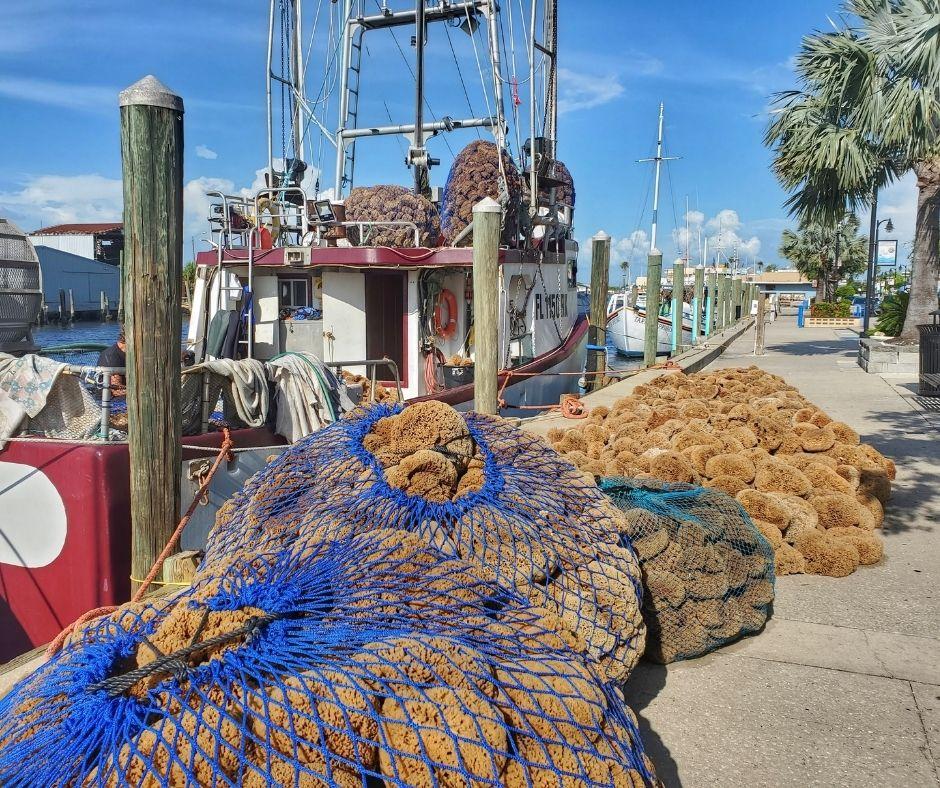
What makes Tarpon Springs stand out is how history is still woven into daily life. You can watch a sponge diver demonstrate the traditional gear, then walk a block for fresh baklava and ouzo. It’s a living community, not just a snapshot in time.
If you can, time your visit around Epiphany in January—an annual religious and cultural celebration where young men dive into Spring Bayou to retrieve a cross in one of the most visually striking traditions in the state. It’s local history in motion and worth experiencing at least once.
5. The Ringling Museum of Art and Ca’ d’Zan Mansion (Sarasota)
You don’t have to love the circus to be fascinated by The Ringling Museum of Art and Ca’ d’Zan Mansion—but it helps. This sprawling estate in Sarasota was once the winter home of John and Mable Ringling of Ringling Bros. fame, and today it’s one of the most impressive historic sites in the state. The museum grounds include not just one, but multiple attractions: a fine art museum, a circus museum, beautiful gardens, and the waterfront Ca’ d’Zan mansion that looks like something plucked from Venice.
The Ca’ d’Zan, built in the 1920s, is the crown jewel. Inspired by Italian palazzos, it’s a five-story mansion with stained glass windows, marble terraces, and jaw-dropping views of Sarasota Bay. Walking through it gives you a glimpse into the extravagance of the Roaring Twenties—Florida-style. The Ringlings spared no expense, and it shows in every tile, chandelier, and carved ceiling panel.
The Museum of Art is also worth the visit, especially if you’re not expecting to see Baroque masterpieces and Rubens canvases in a Gulf Coast town. Admission to the art museum is free on Mondays, but to see the mansion interior, you’ll need to pay for a guided or self-guided tour.
It’s more than just a museum—it’s an estate frozen in time, with lush banyan trees, grand courtyards, and layers of cultural history. You could easily spend a full day here, and if you do, take time to sit out on the mansion’s back terrace as the sun sets over the bay—it’s pure old Florida glamour.
6. Historic Downtown Lakeland
Lakeland might fly under the radar compared to Tampa or Orlando, but its historic downtown is a standout for anyone who appreciates early 20th-century architecture, walkable streets, and that rare small-town feel that’s still very much alive. The area centers around Munn Park, with brick-lined streets, restored storefronts, and a mix of antique shops, local restaurants, and indie bookstores that feel like a step back in time without being stuck there.
A walk through downtown offers a crash course in Lakeland’s past. Many of the buildings date back to the 1920s Florida land boom, and the city has done a thoughtful job preserving them. Look for vintage signage, ornate façades, and the old Polk Theatre, a restored 1928 movie palace still in operation today. You can catch a film or just pop in to see the original Moorish-style interior. It’s one of the coolest surprises in town.

Lakeland also has ties to Frank Lloyd Wright, thanks to his architectural work at nearby Florida Southern College. While the college campus is technically just outside downtown, it’s worth a quick detour if you’re already in the area and want to see the largest single-site collection of Wright-designed buildings in the world.
With its mix of old Florida charm and a lively calendar of local events, Historic Downtown Lakeland is perfect for a low-key day trip. Come on a Saturday for the farmers market or during one of the seasonal festivals when the streets fill with vendors, music, and community spirit.
7. Cortez Village (Bradenton)
Just across the bridge from Anna Maria Island, Cortez Village stands as one of Florida’s last true working fishing communities, where history is still part of everyday life. Settled in the 1880s by fishermen from North Carolina, it retains a weathered charm: old cottages on stilts, fish houses, boats tied up at the docks, and the distinct salty tang of the Gulf in the air.
At the heart of the village near the docks is the Florida Maritime Museum, housed in the 1912 Cortez Rural Graded Schoolhouse and its surrounding historic buildings. You’ll want to check out the Burton/Bratton Store, built in 1890 as the village’s first general store, post office, and inn. Rescued from demolition and relocated to the museum grounds, the store now hosts the Folk School, where visitors learn traditional maritime crafts—like knot tying, boatbuilding, and shell art—in classes led by local instructors.
The Cortez Village Historical Society, located at the Cortez Cultural Center down the road, preserves family histories, local stories, and artifacts. With an appointments, you can browse the archives or regional timelines. The museum grounds also feature the original Burton Store porch, where they host “Music on the Porch” and storytelling events in warmer months, blending ongoing traditions with living history.
Plan your visit for the annual Cortez Commercial Fishing Festival in February, a fun community-led festival featuring seafood, boat tours, folk music, and demonstrations on the historic docks. It’s a hands-on glimpse into the maritime culture that remains the village’s beating heart.
8. Historic Downtown Brooksville
Tucked into the rolling hills of Hernando County, Historic Downtown Brooksville feels like a world apart from Florida’s coastal sprawl. With its brick streets, moss-draped oaks, and preserved Victorian homes, this small town has held onto its historic charm without turning into a museum piece. The downtown district is walkable and low-key, with a good mix of antique shops, local restaurants, and old-school storefronts that haven’t changed much in decades.
At the center of it all is the 1885 Hernando County Courthouse, an architectural gem still in use today. Just a few blocks away, the May-Stringer House offers a deeper dive into local history and a touch of the paranormal. This four-story Victorian museum is filled with period furnishings, Civil War artifacts, and ghost stories that have earned it a reputation as one of the most haunted places in Florida. Even if you’re not into ghost hunts, the home’s history and architecture are worth the tour.
Brooksville also hosts a number of heritage-focused events throughout the year, like the Founders Week Celebration and seasonal craft fairs that bring the courthouse square to life. If you visit in December, the whole downtown is lit up for the holidays in a way that feels more Hallmark movie than Florida.
Brooksville isn’t flashy, but it offers a quieter kind of day trip, one where you can slow down, explore at your own pace, and get a sense of the stories that shaped inland Florida.
9. Pioneer Florida Museum & Village (Dade City)
Just outside Dade City, the Pioneer Florida Museum and Village offers a glimpse into everyday life in rural Florida before highways, high-rises, and theme parks. It’s not flashy, and that’s exactly the point. Spread out across several acres, the open-air museum includes a train depot, schoolhouse, church, general store, and dozens of tools, wagons, and household items that once defined Florida’s frontier days.
The buildings are original, not replicas, and they’ve been moved here from across the region. Step inside the Overstreet House, built in the 1860s, and it’s easy to imagine the creak of wooden floors under bare feet or the smell of biscuits in a cast-iron oven. The museum doesn’t try to romanticize the past; it just lays it out plainly, one weathered wall at a time.

There are also indoor exhibits filled with antique medical equipment, clothing, and farming tools, many donated by local families. Everything feels lived-in and local, not curated from afar.
Time your visit with one of their special events, like the Farm Festival & Quilt Show or Pioneer Days, and the place really comes alive with reenactors, live music, and demonstrations of traditional skills like blacksmithing and cane syrup making. It’s part history lesson, part community gathering, and entirely worth the drive.
10. Historic Sites Within Tampa
Tampa’s history hides in plain sight, tucked between sparkling waterfront views and the buzz of modern city life. If you’re willing to slow down and look a little closer, you’ll find museums inside former hotels, remnants of early military outposts, and even a fully operational cargo ship from the mid-20th century. These sites make it easy to step out of the present for an hour or two and walk straight into Tampa’s earlier chapters.
Henry B. Plant Museum
Housed in the opulent south wing of the former Tampa Bay Hotel, the Henry B. Plant Museum is a time capsule of the Gilded Age. The building itself is impossible to ignore — all soaring minarets and elaborate Moorish Revival details that look almost surreal against the Florida sky. But the interior is where the story deepens. Period furnishings, ornate décor, and immersive exhibits reconstruct the world of late-19th-century luxury tourism, back when a winter “season” in Florida was something only the wealthy could afford.
The museum also sheds light on Henry Plant’s railroad empire and how it reshaped Florida. It’s one thing to read about the state’s transformation from frontier to resort destination; it’s another to stand inside the hotel that helped make it happen. Whether you’re a history buff or just someone who appreciates old architecture, this is one of Tampa’s most atmospheric historic sites.

Fort Brooke Site & Tampa History Center
Long before downtown became high-rises and Riverwalk joggers, this area was home to Fort Brooke — a major 19th-century U.S. Army post that played a central role in both the Seminole Wars and early settlement of Tampa. Today, the fort itself is gone, but subtle markers along the Riverwalk acknowledge its footprint. If you walk near Cotanchobee Fort Brooke Park, you’re standing on ground that once held barracks, parade fields, and supply depots.
Just steps away, the Tampa Bay History Center fills in everything the outdoor markers can’t. The museum takes you from the earliest Indigenous cultures of the region to Spanish explorers, Cuban cigar workers, pirates, pioneers, and the sprawling metropolis Tampa eventually became. Exhibits are detailed without feeling overwhelming, and the hands-on displays make it easy to linger longer than planned.
Together, the site and museum offer a layered picture of Tampa’s past — the physical location where the story began, and the indoor space where that story unfolds more fully.
American Victory Ship & Museum
Moored in the Channel District, the American Victory Ship is one of only a handful of fully operational World War II–era cargo vessels still afloat. It’s big, steel-gray, and wonderfully gritty — the kind of historic experience where you smell engine oil before you see the staircase to the lower decks. If you like historic sites that feel lived-in rather than curated, you’ll enjoy this one.
Visitors can wander through cargo holds, peer into crew cabins, and climb up to the bridge where navigators once scanned the horizon for danger. Nothing about the ship is delicate or fragile; it’s sturdy, industrial, and built for utility, which makes the contrast with Tampa’s polished waterfront skyline even better. Tours give insight into wartime logistics and the merchant mariners who kept supply chains alive.
The best part? This isn’t a static museum piece. The ship still sails for special events, which adds an extra layer of awe — history doesn’t just sit at the dock here; it still moves.

Tampa Theatre
Tampa Theatre is one of those rare places where stepping inside feels like walking straight into another century. Built in 1926, this Mediterranean Revival movie palace is famous for its ornate architecture—carved columns, dramatic balconies, and that iconic ceiling painted to look like a night sky complete with drifting “clouds.” It was designed to be an escape from everyday life, and nearly a hundred years later, it still delivers. Whether you’re here for a tour or a classic film, the theater’s sense of nostalgia is immediate and almost overwhelming in the best possible way.
What makes Tampa Theatre a true day-trip destination is how much there is to experience beyond the visuals. Guided tours take you backstage to the projection booth, the historic dressing rooms, and the Wurlitzer organ that still plays before select shows. The theater also hosts concerts, indie films, silent movies, and special events throughout the year, so no two visits feel the same. It’s not just a building—it’s a living piece of Tampa’s cultural history, and one of the city’s most unforgettable historic sites.

Wrapping It Up: Historic Day Trips From Tampa
Tampa is surrounded by towns, parks, and historic districts that each tell a different piece of Florida’s story, and the beauty of these day trips is how close they all are. You don’t need a long vacation or a complicated itinerary—just a free morning, a tank of gas, and a little curiosity. Whether you spend the day walking through a pioneer village, exploring a century-old fort, or getting lost in the details of a restored mansion, each trip adds another layer to your understanding of this region. And the more you explore, the more you realize how much history lives just beyond the city limits, waiting for you to step into it.
Let’s Connect!
Follow me on Facebook, YouTube, and Instagram. And if you’re looking for a great community for sharing travel tips, discounts, secret spots, and hidden gems, go join my Facebook group, Florida Travel Tips & Secret Spots.
Travel Resources:
These are the places I first go when planning or booking travel. They ARE affiliate links so if you use one I may earn a small commission (at no cost to you) and (bonus!) it’ll help me keep running this site. Visit my travel resources page to see all of the services and gear I recommend.
Flights: We always check flight prices and information on Way Away first.
Hotels: We use Expedia to compare and book hotels. We also love Booking.com for boutique hotels and B&Bs.
Vacation Rentals: For vacation rentals and other non-traditional lodging options, VRBO is our go-to.
Tours & Tickets: We use Viator for private tours and unique experiences.
Rental Cars: Though we prefer to experience a city through its public transportation, there are times when a rental car is needed and in those instances, we use Discover Cars.
Travel Insurance: No one wants to need it, but it’s great to have when you do. VisitorsCoverage is our go-to provider.


The Tampa Theater is stunning!! I love mixing in a little history into my itinerary. Thanks for the suggestions!
It’s an amazing theater! Gorgeous and out.