
Step Back in Time: Visiting the Palm Harbor Museum

Tucked away in a quiet corner of Palm Harbor, the Palm Harbor Museum offers a fascinating glimpse into the area’s past. Housed in the historic Hartley House, this small but engaging museum is packed with stories of pioneers, citrus groves, and even a connection to European nobility. If you love uncovering Florida’s hidden history, this is a spot worth visiting.
Wander Florida is fully reader-supported. For that reason, this article may contain affiliate links. If you make a purchase through one of the affiliate links, I may earn a small commission at no additional cost to you. This revenue helps keep Wander Florida free and updated. I only recommend products or services that I would use myself. Read the full disclosure here.
A Home with a Story: The Hartley Family
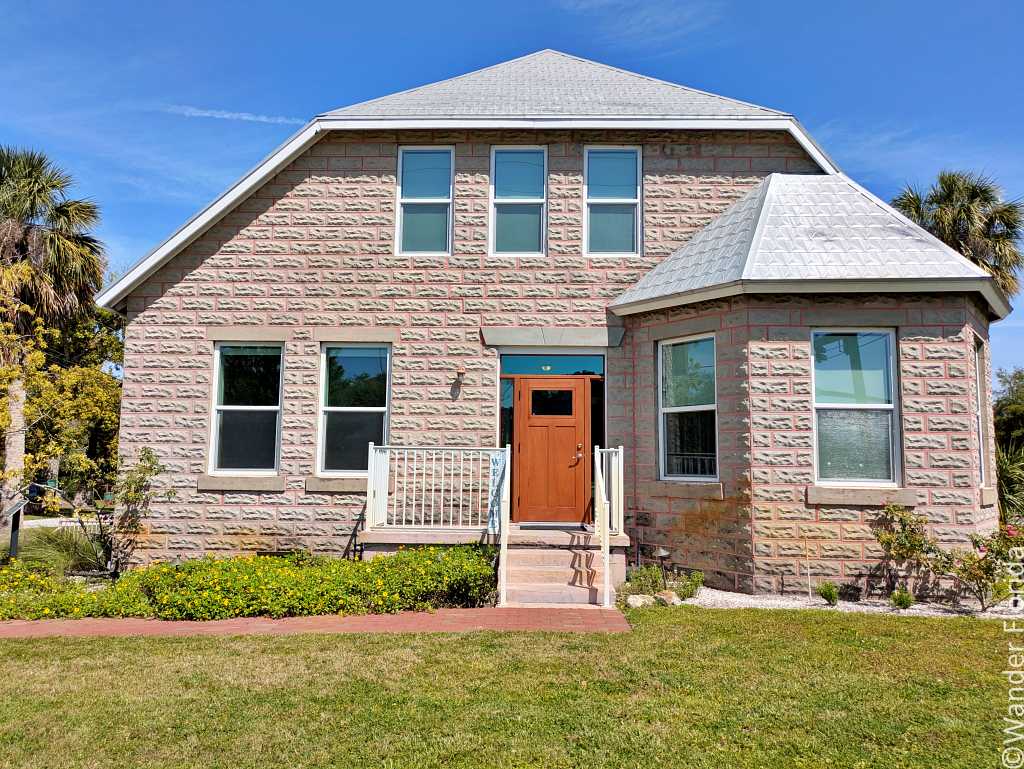
The museum itself is a piece of history. Originally the home of Thomas and Ida Hartley, it dates back to the early 20th century, built between 1914 and 1919. The home is unique due to its block construction which was not common in the rural areas. Thomas Hartley used a block-making machine from Sears and Roebuck and enlisted the help of friends, family, and neighbors to build the home.
Three generations of Hartleys lived in the house. Thomas and Ida and their four children first, then the oldest daughter Lucy raised her four children in the home. It was sold in the mid-1960s then changed hands several times before Pinellas County purchased it in 1996. The home was slated for demolition to make way for Belcher Road but the community rallied around the property and saved it. It has been leased to the Palm Harbor Historical Society since 1998 when the museum first opened.
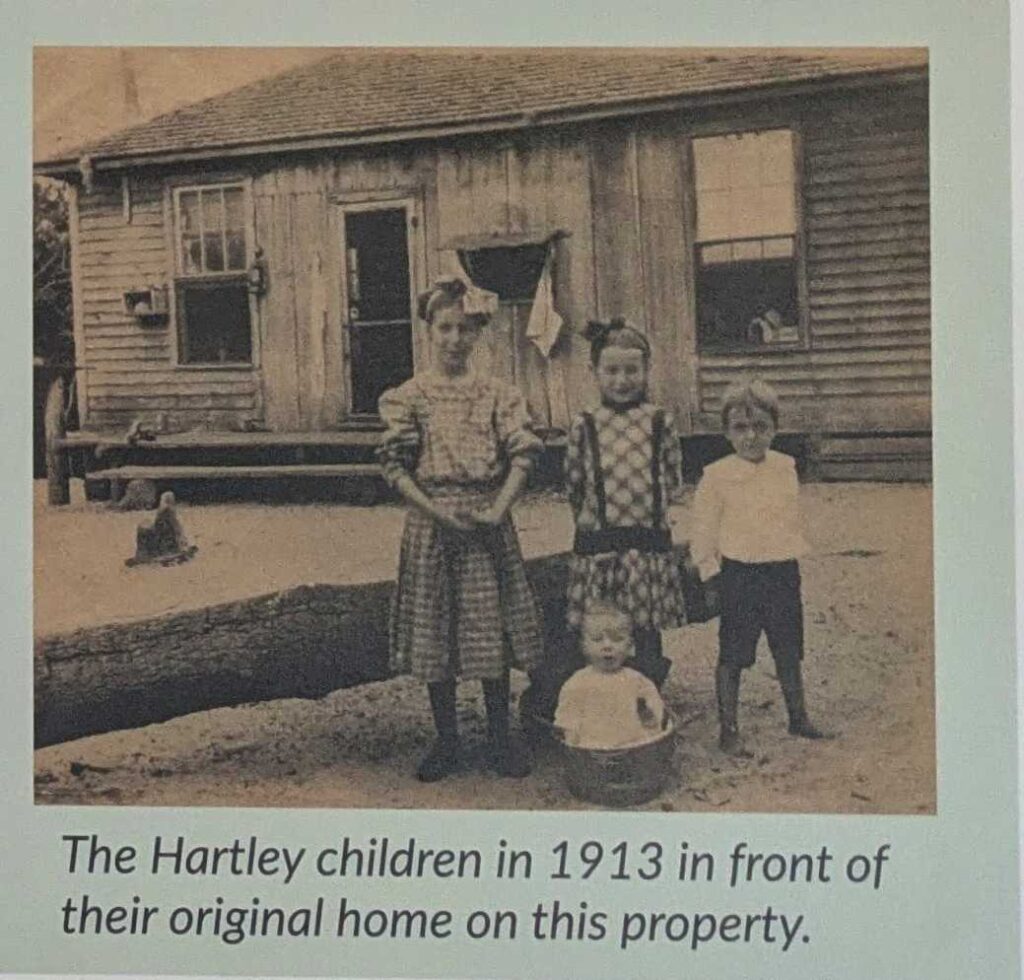

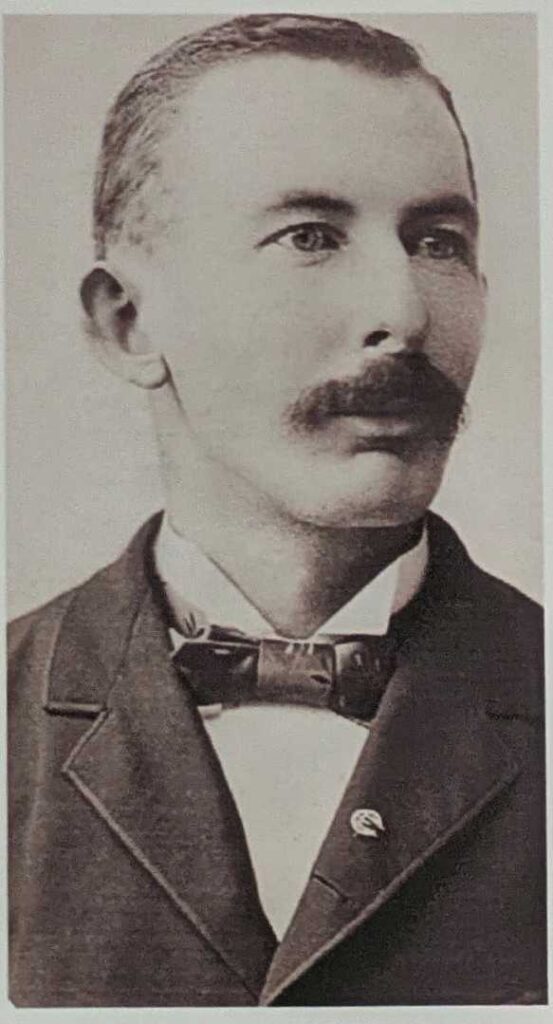
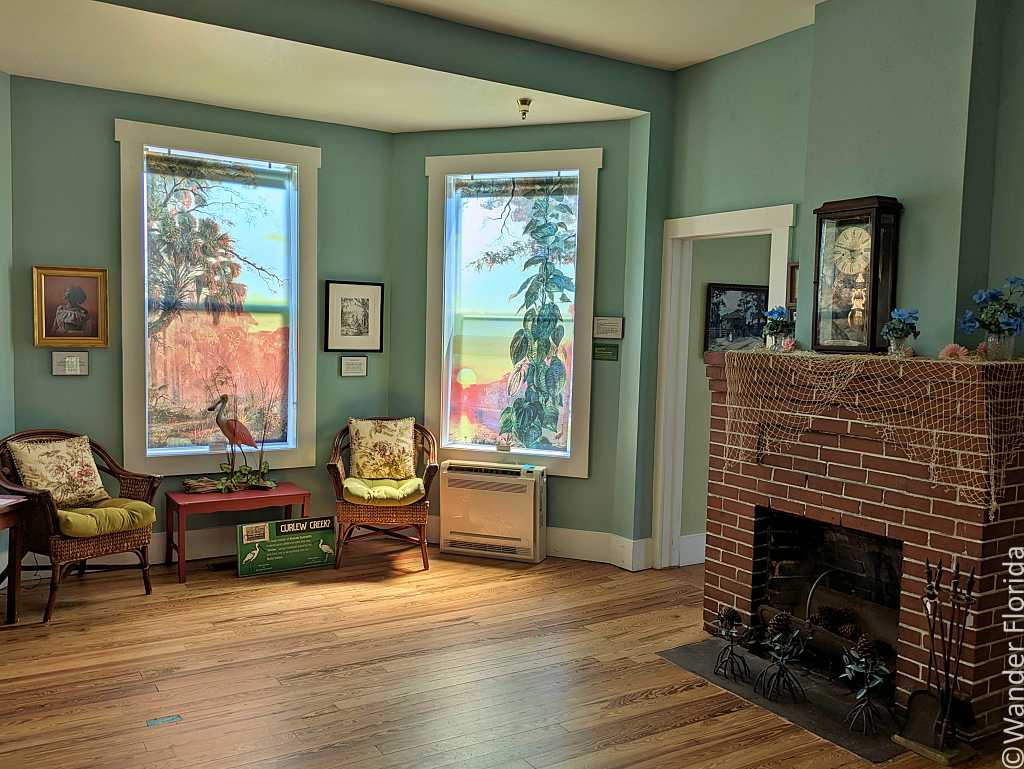
Today, the main floor of the home is open to visitors and has been kept as original as possible. Some of the Hartleys’ original furnishings remain, including an upright piano, while other pieces reflect the early 1900s time period but were not owned by the family. The home features a typical central hallway, with rooms arranged in a straight line on either side from the front to the back of the house.
- To the right of the hallway, the parlor is furnished as it would have been in the early 20th century, giving visitors a sense of daily life during that time. In this room, visitors learn about Thomas Hartley’s citrus ladder business. Made of cypress, the ladders were prized around the world for their durability and quality construction. Hartley’s factory produced up to 400 ladders a year and was located beside the home.
- To the left of the hallway, the daughters’ bedroom—now the museum’s rotating exhibit room—currently features a display on the Duke of Sutherland and his unexpected connection to Palm Harbor.
- Behind the parlor, the main bedroom houses a fascinating exhibit on the history of human habitation in Florida, spanning from the Tocobaga people through Spanish conquest to life in the 1920s.
- A small back bedroom, once the sons’ room, now focuses on Crystal Beach’s history, with a particular emphasis on the Faith Mission orphanage, which played a significant role in the community.

Unique Exhibits at Palm Harbor Museum
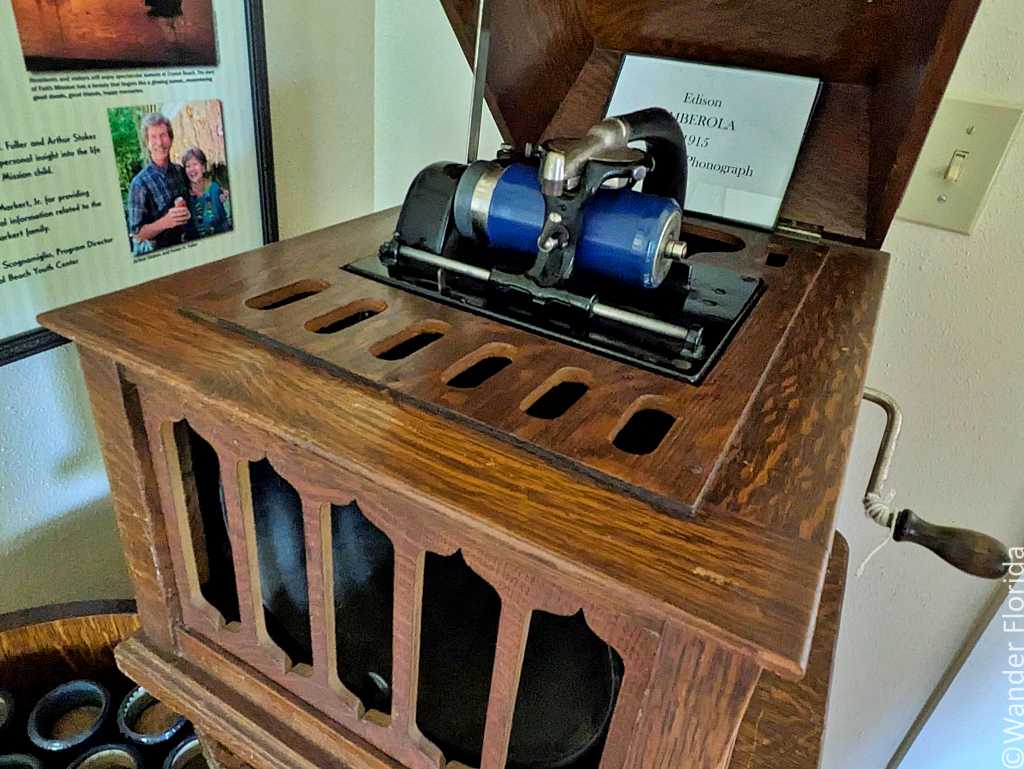
One of the standout features of my visit was the Edison Amberola and Victor record player, two fascinating pieces of early sound technology. These machines transport visitors back to a time when music was played on wax cylinders and records, long before digital streaming took over. Seeing them in action (and hearing their distinct sound) is a reminder of just how far technology has come.
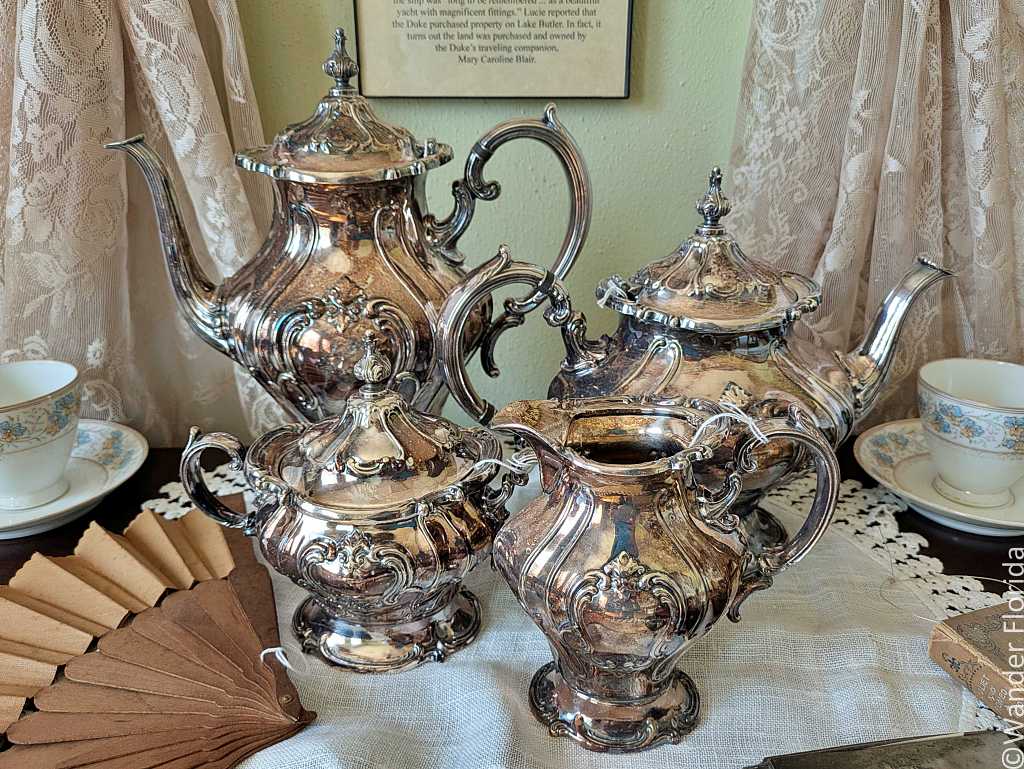
The museum’s rotating exhibit room currently features a display about The Duke of Sutherland, a Scottish nobleman who had land holdings in the area. It’s an intriguing piece of Palm Harbor’s history that many people don’t realize—who would have thought that Florida had ties to European aristocracy?
The Duke of Sutherland invested in Peter Demen’s Orange Belt Railway along with his land holdings in this part of Florida. When the Duke’s wife passed away unexpectedly, he quickly married his mistress, Mary. However, the impending wedding caused such an uproar in Britain, the Duke built the Good Shepherd Church in nearby Dunedin for the wedding. It’s just one of the many fascinating bits of history one learns at local museums like Palm Harbor Museum.

Exploring the Outdoor Spaces
Beyond the exhibits inside, the museum also has beautiful outdoor spaces that add to its charm. Visitors can see:
- The original well was dug in 1878 by the previous owners, the Whitehursts. It was used by the Hartleys as their primary source of water through much of their time living on the property. It was capped in the 1960s for safety reasons though reportedly still held water.
- The Grove House, which showcases the agricultural history of the region, particularly citrus farming, was originally built nearby in 1935 as a two-room cabin for the newlywed daughter of a local homesteading family. These small cabins were known as newlywed homes for their use as, what we would call today, starter homes. They were also called grove houses because they were often used in the citrus groves to house the migrant families who worked the groves during harvest season.
- A native plant garden, highlighting Florida’s natural beauty and the plants that early settlers would have encountered.


Plan Your Visit to Palm Harbor Museum
The Palm Harbor Museum is an excellent stop for history buffs, locals, and visitors looking to learn more about Florida’s past. Here’s what you need to know:
📍 Location: 2043 Curlew Rd, Palm Harbor, FL 34683
🕰 Hours: Open Thursdays, Fridays, and Saturdays from 10 AM – 2 PM
💰 Admission: Free (Donations appreciated)
For more details, check out their website or follow them on social media for updates on exhibits and events.
Final Thoughts
Visiting the Palm Harbor Museum is like stepping back in time. Whether you’re fascinated by early pioneer life, love old photographs, or just want to explore a lesser-known piece of Florida history, this museum has something for you. It’s a reminder that even small towns hold incredible stories—sometimes, you just have to know where to look.
Have you ever visited the Palm Harbor Museum? Share your favorite part in the comments!
Let’s Connect!
Follow me on Facebook, YouTube, and Instagram. And if you’re looking for a great community for sharing travel tips, discounts, secret spots, and hidden gems, go join my Facebook group, Florida Travel Tips & Secret Spots.


