A Review of Visiting Historic Fort Clinch State Park

Fort Clinch State Park is a 1,400 acre state park at the northernmost end of Amelia Island in Northeast Florida. It’s named for the historic fort which overlooks the St. Mary River. While the fort is one reason to visit, this state park offers great activities for everyone in the family, whether you’re a nature lover, a history lover, or just love to stay active outdoors.
In this review, I’ll share my experiences visiting Fort Clinch State Park. I’ll share tips and information for visiting the fort, other activities to do at the park, the park’s historic significance, and how you can make the most of your visit.
Wander Florida is fully reader-supported. For that reason, this article may contain affiliate links. If you make a purchase through one of the affiliate links, I may earn a small commission at no additional cost to you. This revenue helps keep Wander Florida free and updated. I only recommend products or services that I would use myself. Read the full disclosure here.
A Glimpse Into History
Though Amelia Island’s history dates back thousands of years, the history surrounding Fort Clinch State Park is much more recent. It’s likely that indigenous people used the land here; however, it’s the fort that draws history lovers these days. What we see today, though, isn’t the first fortification of the site.
According to the history of Fort Clinch at the park’s website, the first fortification on this strategic location dates to 1736. Construction of Fort Clinch began more than a century later. Part of the Third System Fortifications, the fort still wasn’t completed by the end of the Civil War in 1865. It became an ammunition depot during the Spanish-American War, then was sold in 1926. The state of Florida acquired it again in the 1930s, and it became one of the first state parks in Florida.


Today, Fort Clinch is open to the public and showcases several exhibits which show how soldiers would have lived while stationed at this or other Third System coastal forts during the Civil War. Staff and volunteers in period uniforms depict daily life, allowing visitors to take a step back in time. Inside Fort Clinch, visitors can tour five bastions, guard rooms, a prison, enlisted men’s barracks, bakery, blacksmith shop, storehouses, hospital, kitchens, lumber sheds and galleries. Every room is furnished to re-create a depiction of the site as garrisoned by the First New York Volunteer Engineers in 1864. Adding to the living history experience, a soldier is on duty every day of the year, including holidays.
A separate museum offers visitors a 10-minute introductory video and artifacts found at the fort. There are dozens of photographs to look through, projectiles which visitors can touch and compare to each other, and an explanation of the fort’s unique brickwork construction.


Nature at Its Finest
Fort Clinch State Park’s location at the northern tip of Amelia Island means it’s surrounded on three sides by water – the Atlantic Ocean to the East, St. Mary’s River to the North, and Amelia River to the West. There are beaches along these stretches of coastline while the interior parts of the park are a delightful mix of ecosystems which are accessible by various paved and unpaved trails. The Fort Clinch Aquatic Preserve, designated in 1970, surrounds the state park and covers more than 7,000 acres mostly in the water. It’s designed to preserve the waters and marshlands around the park.
While exploring Fort Clinch State Park, you’ll encounter various coastal ecosystems. Coastal sand dunes can be found along much of Amelia Island’s Atlantic coast, including Fort Clinch’s three miles. These are important for protecting land from erosion and flooding. Here you find sea oats, beach morning glory, sea grapes, prickly pear cactus, and railroad vine. The maritime hammock is the mostly evergreen higher land we find growing along the coastal dunes. These hammocks usually feature a dense canopy of live oak trees, cabbage palm, magnolias, hickory, red cedar, and red bay trees.
The park is filled with wildlife to keep an eye out for. Gopher tortoises live inland and burrow in sandy soil. They are protected and should not be handled. You definitely shouldn’t try to put one “back in the water” as they live on land. Many gopher tortoises drown every year when well-meaning people try to relocate them off a road to the nearest body of water thinking they are helping the tortoise. You might also see dolphins and deer. And the park is a haven for several bird species, especially in the winter.
Activities for Every Visitor
There’s so much to do at Fort Clinch that you could easily spend a weekend here taking it all in. We only had one day to explore on our last visit, and I wish we’d had more time. I checked out the campgrounds, though, with the intention of camping here soon to have direct access to the park.
Camping Opportunities
Speaking of camping. If you’re so inclined, there are two campgrounds at Fort Clinch State Park. Like all campgrounds in Florida State Parks, the sites fill up fast. The Amelia River campground has 42 sites for RVs and tents with a trail leading to the Amelia River. The Atlantic campground offers 27 sites and is as close to a beachfront campground as you’ll find in most of Florida. The Atlantic beach is just steps away and accessible from this campground.


Hiking and Biking Trails
Fort Clinch State Park offers nearly 10 miles of trails for cycling and 6 miles for hiking. Cyclists can share more than 3 miles of paved roadway with cars, accessing different parts of the park like the museum, fort, beaches, campgrounds, and boat ramp. It’s a great way to get around if you’re camping here for a few days.
The multi-use trail is open to both cyclists and hikers. It passes through the maritime forest and provides undulating terrain over coastal dunes. For off-road biking, it’s considered an intermediate level trail.
The Beach
With roughly 3 miles of sandy beach, beach lovers adore this park. Relax in the sun, swim in the Atlantic (cautiously as there’s no lifeguard and the currents are often swift and dangerous), beachcomb, or just enjoy the sights.
Shore fishing is available along much of the shoreline, too. Remember to grab your fishing permit before rigging your line and casting for your dinner.
Wildlife Viewing
All those miles of beach and trails provide abundant opportunities to catch sight of the area’s wildlife. For birders, in particular, Fort Clinch State Park is a visual playground, especially in the winter when birds migrate south. The park is part of the Great Florida Birding Trail and home to more than 100 species of birds, including painted buntings, hawks, owls, woodpeckers, and wading birds.
Events and Programs
The park offers several programs dealing with nature and history. Though you can get the latest information on the park’s website, here’s a quick summary:
- Willow Pond Nature Trail Walk – every Saturday
- Ranger-led Campfire Program – November through April
- Annual Kids Fishing Clinic – Spring
- Candlelight Tours – first Saturday September through May and Fridays and Saturdays June through August
- Federal Garrisons – first full weekend of each month
- Confederate Garrisons – 3rd weekend of March and 2nd weekend of October
- World War II Garrison – Memorial weekend
- Spanish American War Garrisons – 3rd weekend of April and September
- History of the American Soldier – 2nd weekend of November
Insider Tips for Your Visit
Fort Clinch State Park is open 7 days a week, 365 days a year. The fort opens from 9 to 5 every day.
Like many places in Florida, the best time to visit is in the cooler months from October to about April. However, this is also when the park will be the busiest. If you plan to camp, consider visiting in the summer if you have an RV. It’ll be easier to reserve a site at that time of year.
Do bring the essentials – sunscreen, water in reusable bottles, bug spray, a hat, mesh bags for shelling, towels, a change of clothes, and rain protection. Bring a cooler with food. The Visitor Center sell snacks and light refreshments only.
Pets are welcome in the park but not on the beach, fort, or boardwalks.
Finally, practice Leave No Trace principles, here and throughout the state.
Supporting Local Businesses
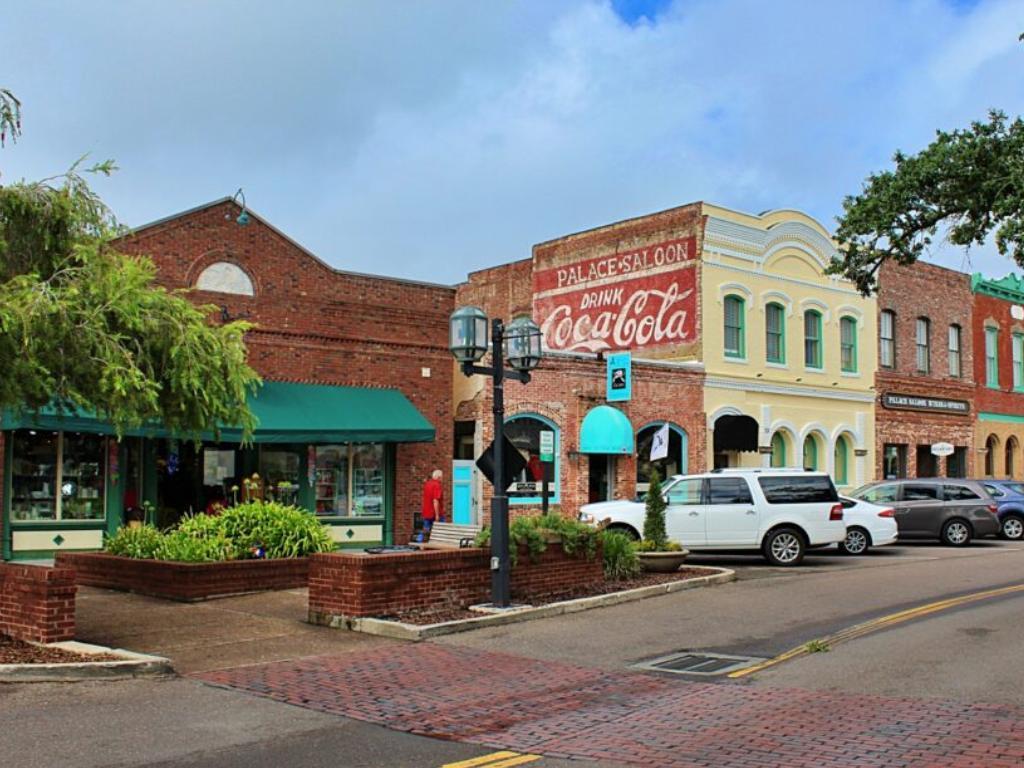
Amelia Island is an amazing thirteen-mile long island which is home to several communities and many businesses. While visiting Fort Clinch State Park, take time to support the local business as well. In Fernandina Beach, you’ll find great restaurants and the oldest bar and hotel in Florida. Head a little further south to experience historic American Beach, the first all-black recreational beach resort.

Wrapping It Up: Fort Clinch State Park
A visit to Fort Clinch State Park is a step back in time to a war-torn past when large brick fortifications protected America’s coastline. Fort Clinch is more than the fort though, offering great activities for the entire family, from boating to swimming to hiking. Though it’s possible to explore the fort in one day, if you can spend a weekend or more here, you’ll get the full experience and have time left over to explore the surrounding communities.
Let’s Connect!
Follow me on Facebook, YouTube, and Instagram. And if you’re looking for a great community for sharing travel tips, discounts, secret spots, and hidden gems, go join my Facebook group, Florida Travel Tips & Secret Spots.
Travel Resources:
These are the places I first go when planning or booking travel. They ARE affiliate links so if you use one I may earn a small commission (at no cost to you) and (bonus!) it’ll help me keep running this site. Visit my travel resources page to see all of the services and gear I recommend.
Flights: We always check flight prices and information on Way Away first.
Hotels: We use Expedia to compare and book hotels. We also love Booking.com for boutique hotels and B&Bs.
Vacation Rentals: For vacation rentals and other non-traditional lodging options, VRBO is our go-to.
Tours & Tickets: We use Viator for private tours and unique experiences.
Rental Cars: Though we prefer to experience a city through its public transportation, there are times when a rental car is needed and in those instances, we use Discover Cars.
Travel Insurance: No one wants to need it, but it’s great to have when you do. VisitorsCoverage is our go-to provider.


Nice post! I didnt notice in your blog but are all the places free to visit?
Some are and some are not. There’s a cost to enter the state park at Fort Clinch and a small fee to enter the fort.
Looks like a great day trip idea for the family, some hiking and wildlife viewing.
Yes! It makes a great day trip, too.
I’m surprised I hadn’t heard of Fort Clinch before. What a great combination of history, trails, and access to all that Amelia Island has to offer.
As much as you travel, I’m surprised, too! You’ll have to check it out next time you’re in the Jacksonville area.
Fabulous post Cris! Fort Clinch State Park looks like a lovely spot to go camping or cycling as well as soaking up the history of the civil war. The events and programs sound really interesting too.
Thank you so much, Josy! It’s a pretty special place for nature and history lovers alike. Appreciate you stopping by!