
Florida Botanical Gardens – A Beautiful Hidden Gem in Largo

One of the most beautiful gardens in Florida, Florida Botanical Gardens in Largo, Florida calls itself “our urban oasis”. This county park aims to inspire and educate visitors using a number of resources, including plants and flowers as well as the animals which call the gardens, creeks, and wetlands home.
These beautiful gardens in Florida occupy 150 acres divided into a number of distinct gardens. Florida Botanical Gardens also hosts many special events each year, including classes by master gardeners, a Christmas light display, pumpkin fest, and plant sales. All of these features makes it one of the best botanical gardens in Florida.
Admission is free year-round making Florida Botanical Gardens one of the most family-friendly and budget-friendly activities in the Tampa Bay area. Another free county park, Heritage Village, sits adjacent to the botanical gardens in Largo. You can access it by foot or drive around the corner to the Heritage Village main entrance.
Local residents use both parks to walk for exercise, for special occasions like weddings, and to relax during or after a rough day. In the evening, parents with kids clad in sports clothes run along the trails showcasing plants from around the world. On weekends, parents push strollers beneath shade trees and couples sit on the many benches around the gardens.
East and West Gardens at Florida Botanical Gardens
Florida Botanical Gardens is naturally separated into two main areas, the gardens to the east of Mckay Creek and those to the west. Guests find parking at both locations. Where you choose to start depends on what you’d like to see. I prefer to park in Lot #2 and cross Mckay Creek into the main gardens on the east side of the creek. From there I walk through the different gardens then cross back over Mckay Creek and walk through the rest of the park.
Azalea Garden
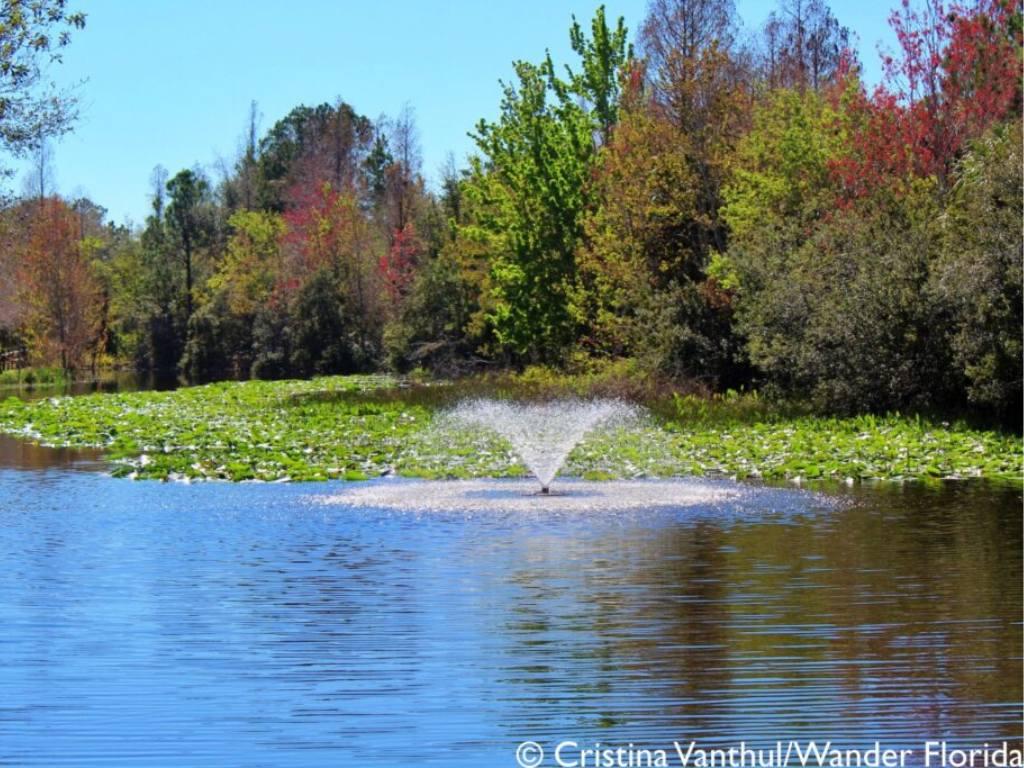
After crossing the creek and passing through the main Plaza, the Azalea garden adorns the path between McKay Creek and the Tropical Courtyard. Azaleas are not necessarily a strong species in Florida though we do have native Azaleas. This far south, though, Azaleas tend to bloom briefly in February. The northern parts of the state have beautiful azalea gardens, but here the plants get leggy and have less foliage.
Cactus and Succulent Garden
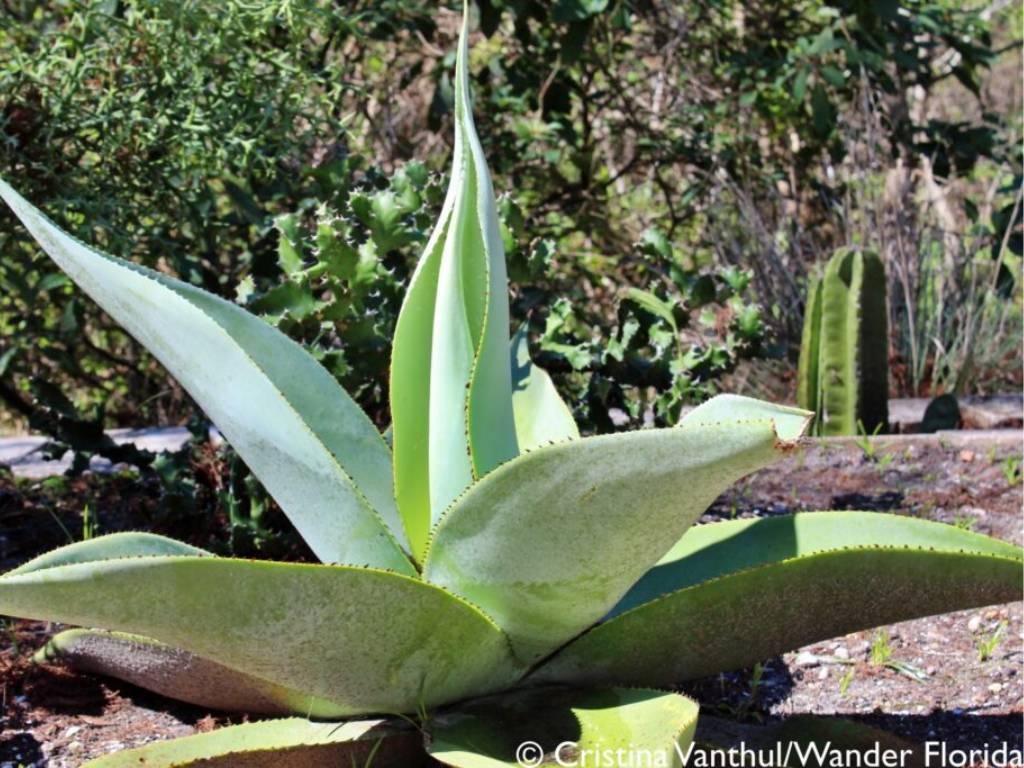
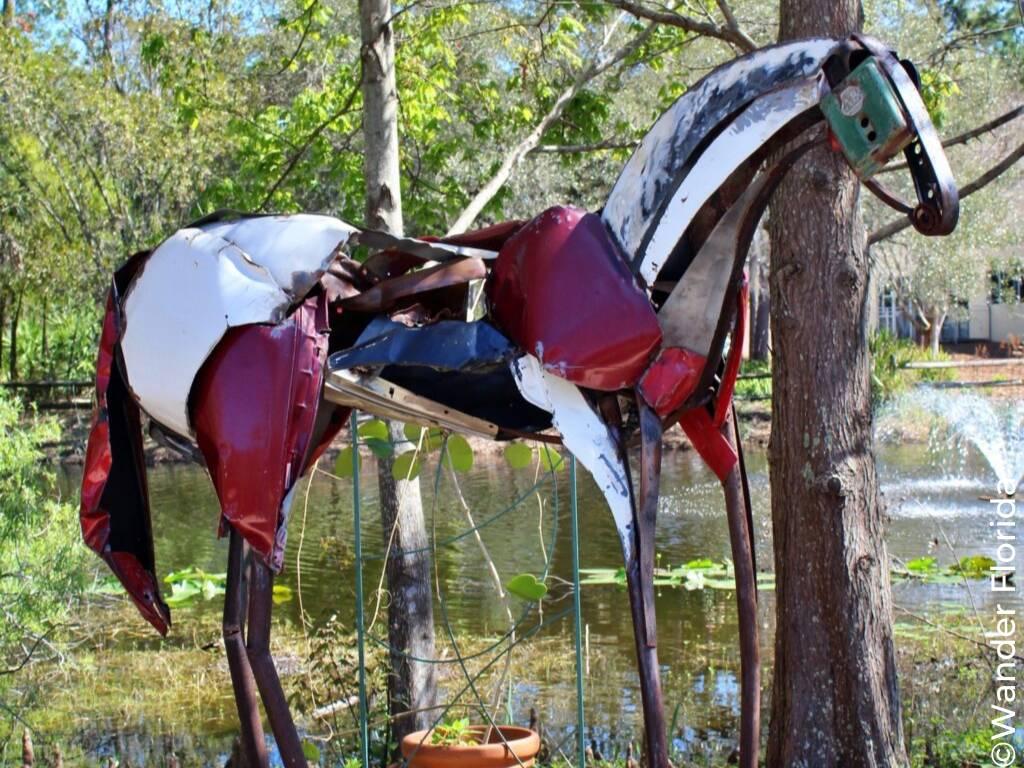
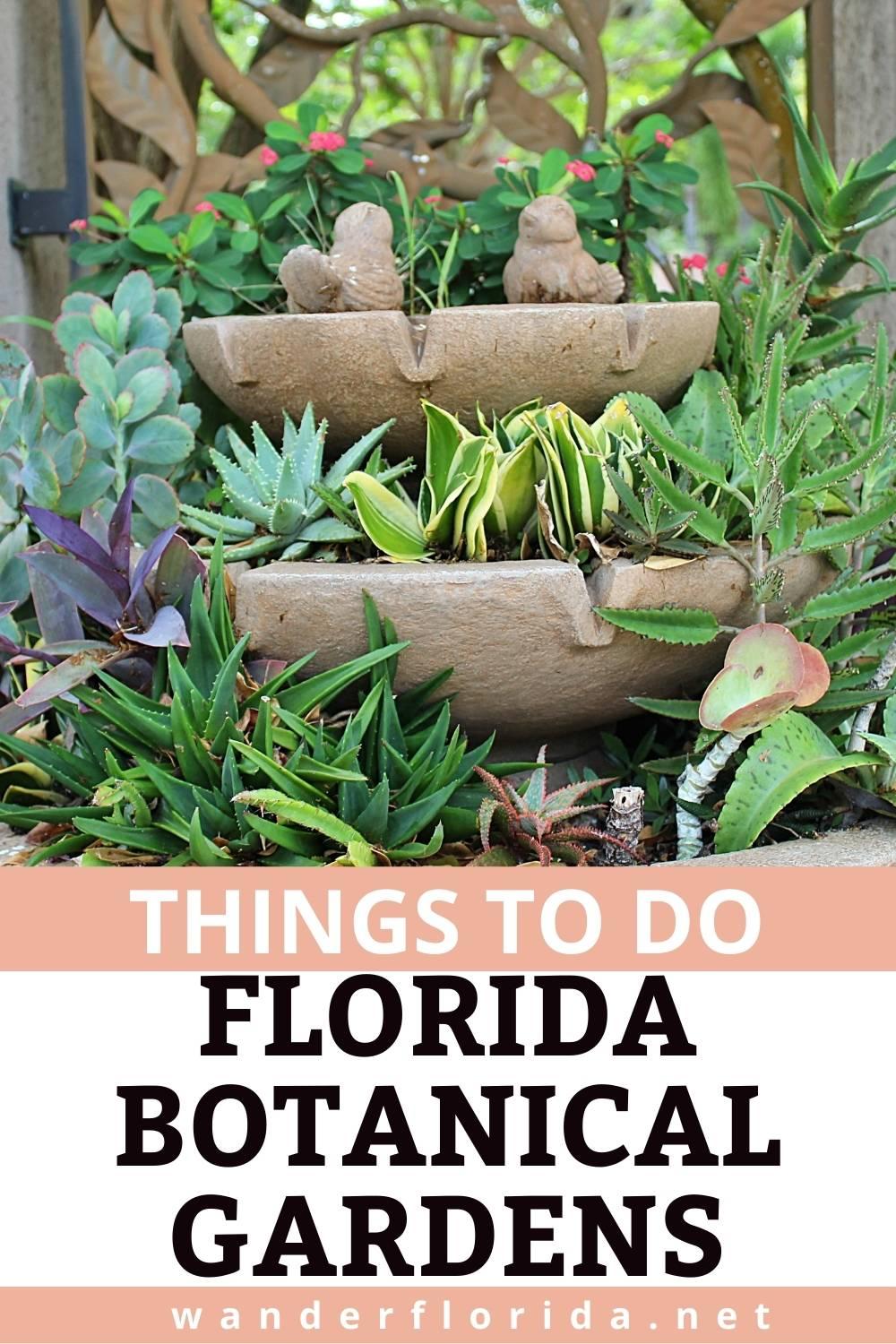
The Cactus and Succulent Garden at Florida Botanical Gardens displays a wide variety of these plants. These include mother of thousands, prickly pear, agave, and desert rose. Plants thrive in the ground and in pots, and a clearing overlooking the lake displays artwork from time to time.

Tropical Courtyard
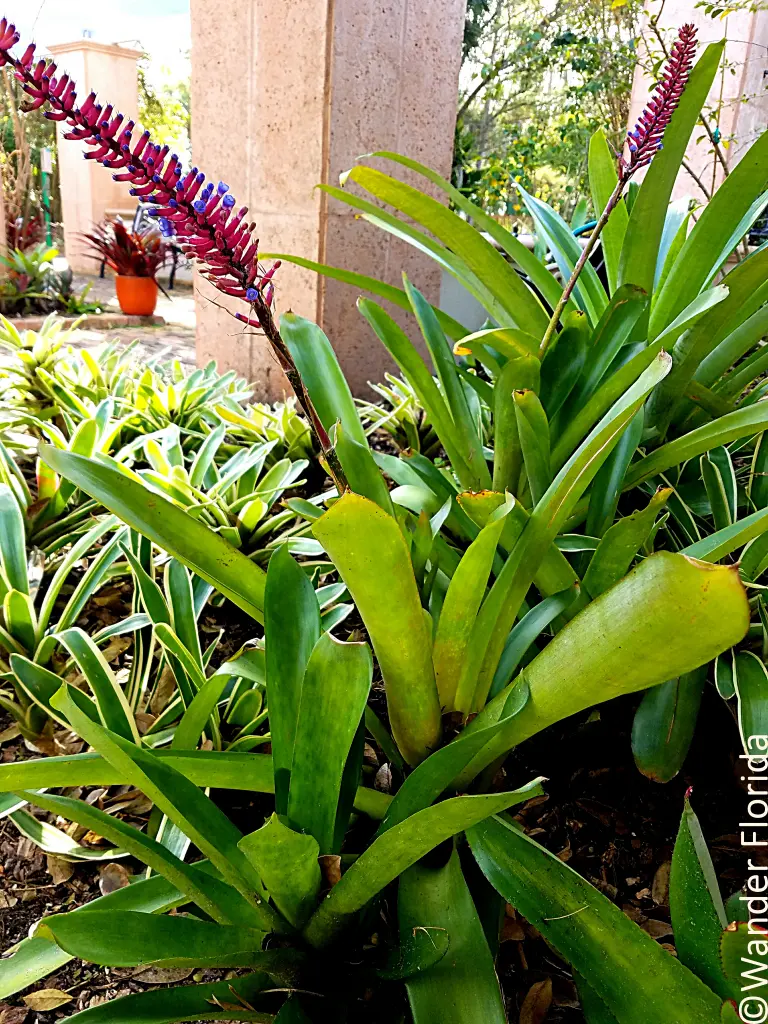
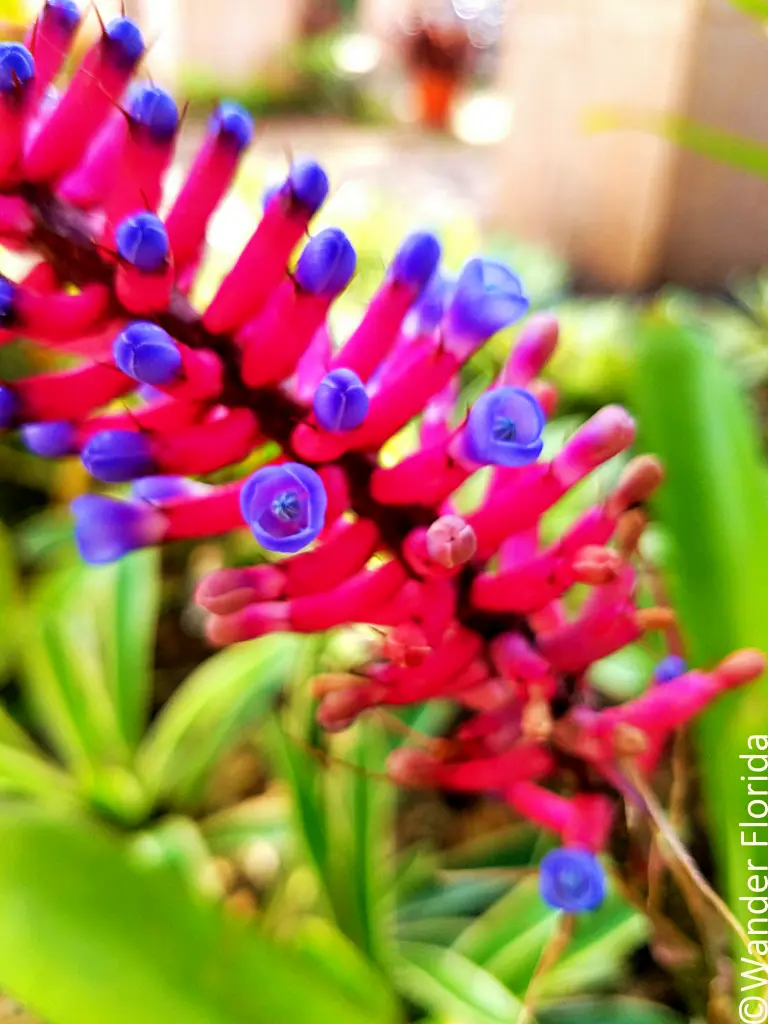
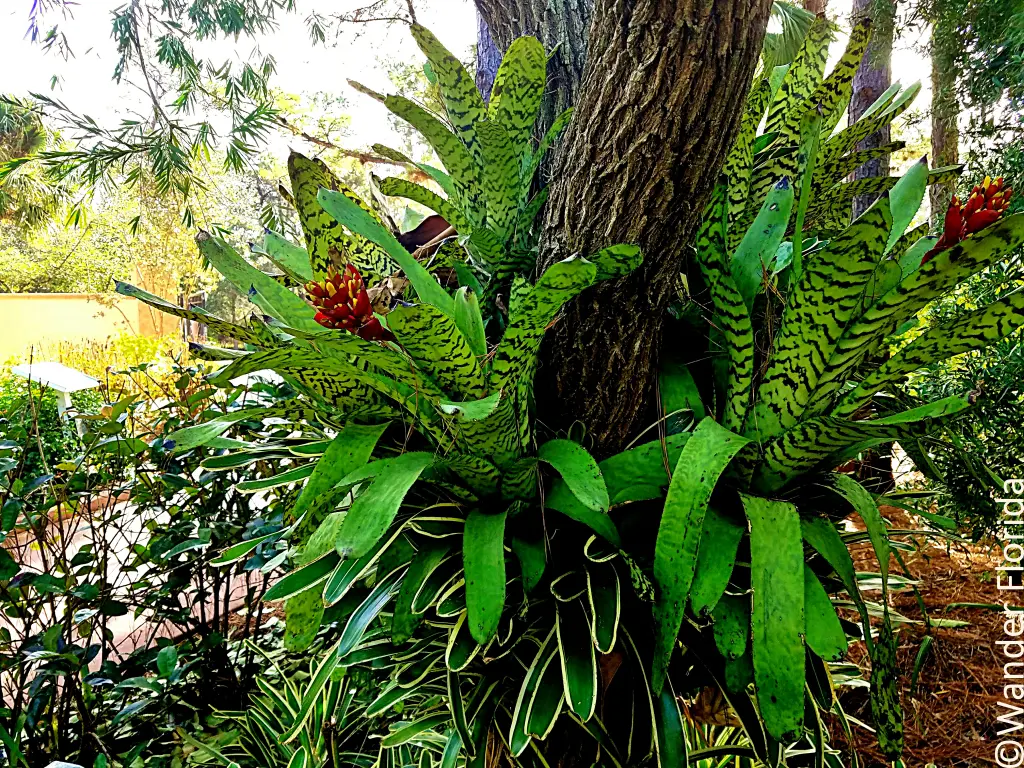
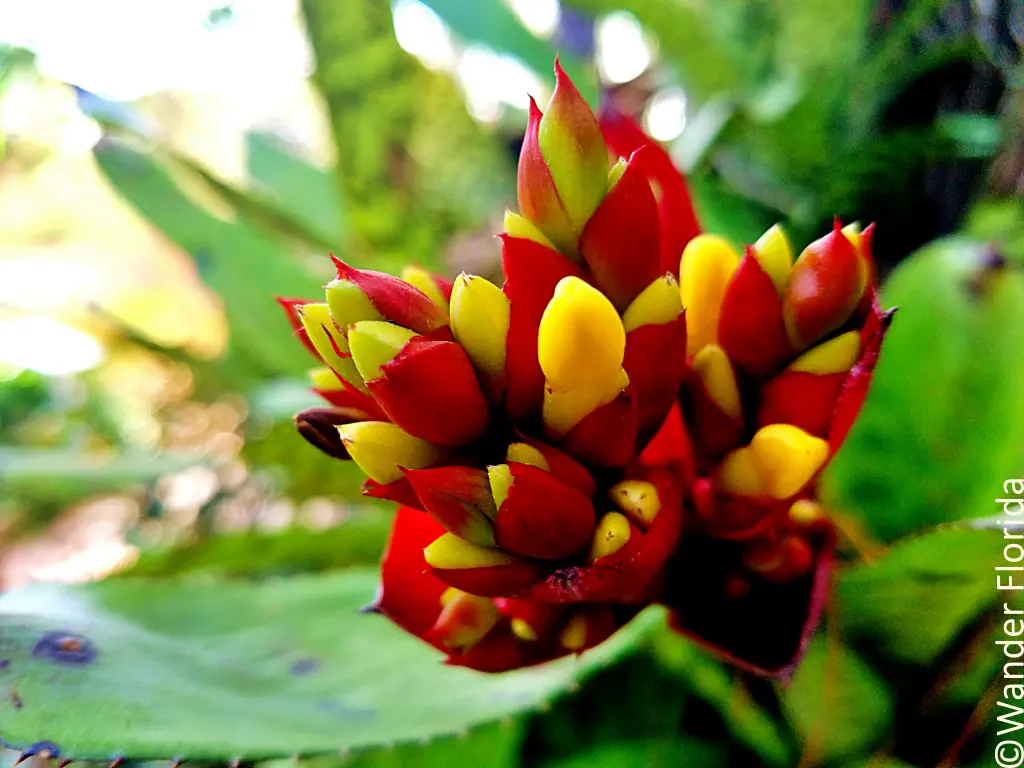
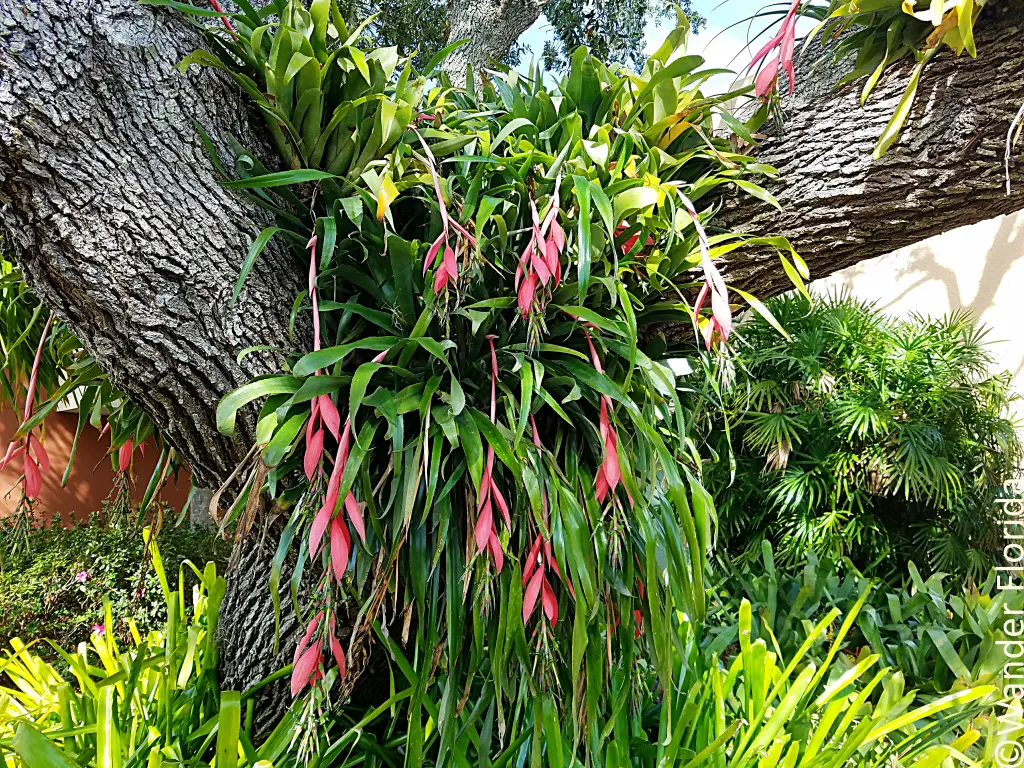
Modeled after the walled yards of South Florida, the tropical courtyard serves many functions at Florida Botanical Garden. Two buildings form two sides of the courtyard – the gift shop on one side and restrooms on the other. Covered porches and trees shade benches and the pavilion. The bromeliad garden holds center stage with a stunning variety of bromeliads. The pavilion is used for classes, displays, and meetings.
Tropical Walk at Florida Botanical Gardens
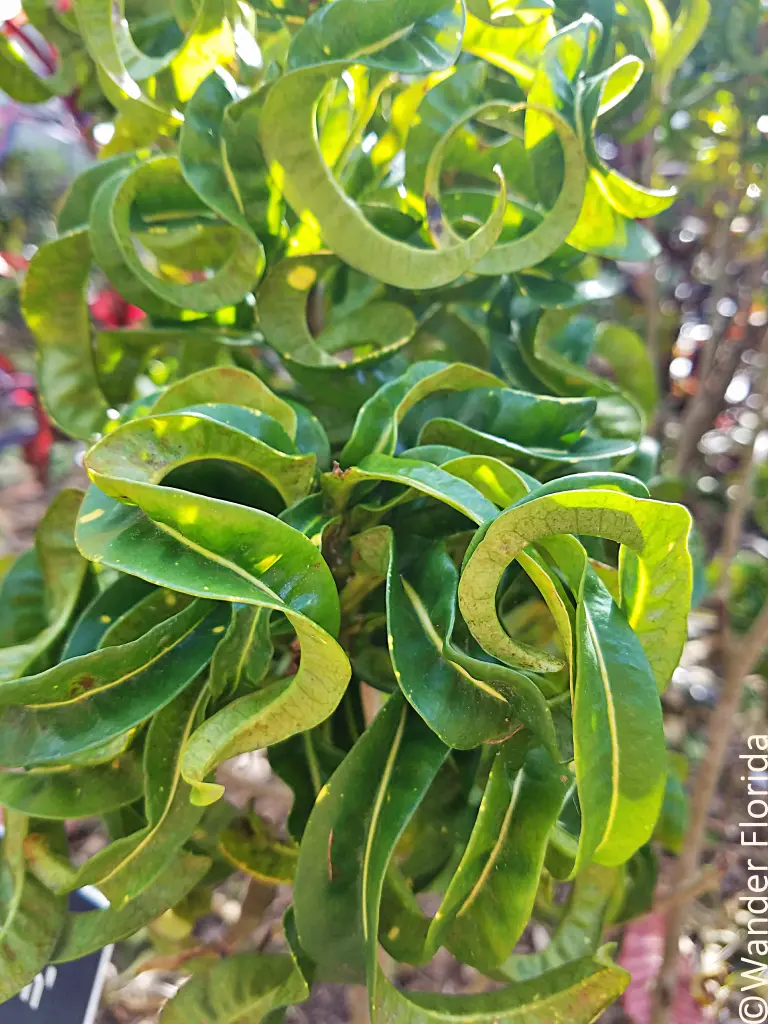
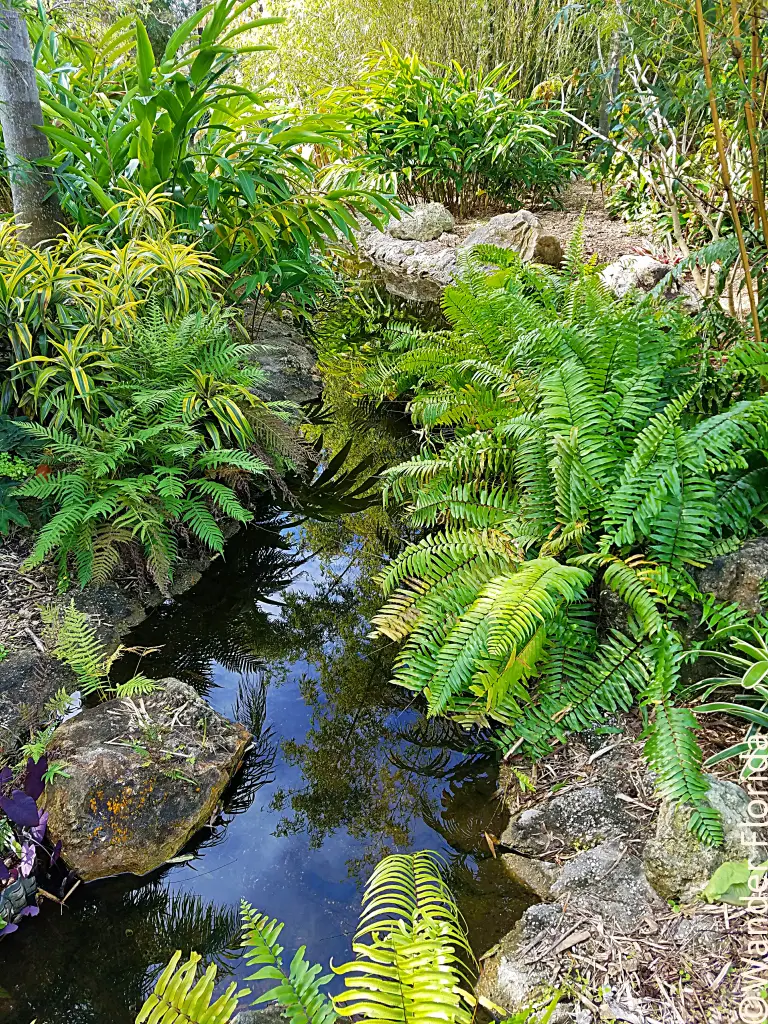
From the bromeliads on the Tropical Courtyard, take a walk among a tropical trail surrounded by tropical plants from near and far. Follow the winding path and experience new colors, textures, and plants. A gentle stream flows through this garden, offering subtle reflections and soft sounds. The Tropical Garden features plants from Australia, Japan, China, Tropical Islands and South Florida.



Wedding and Celebration Garden
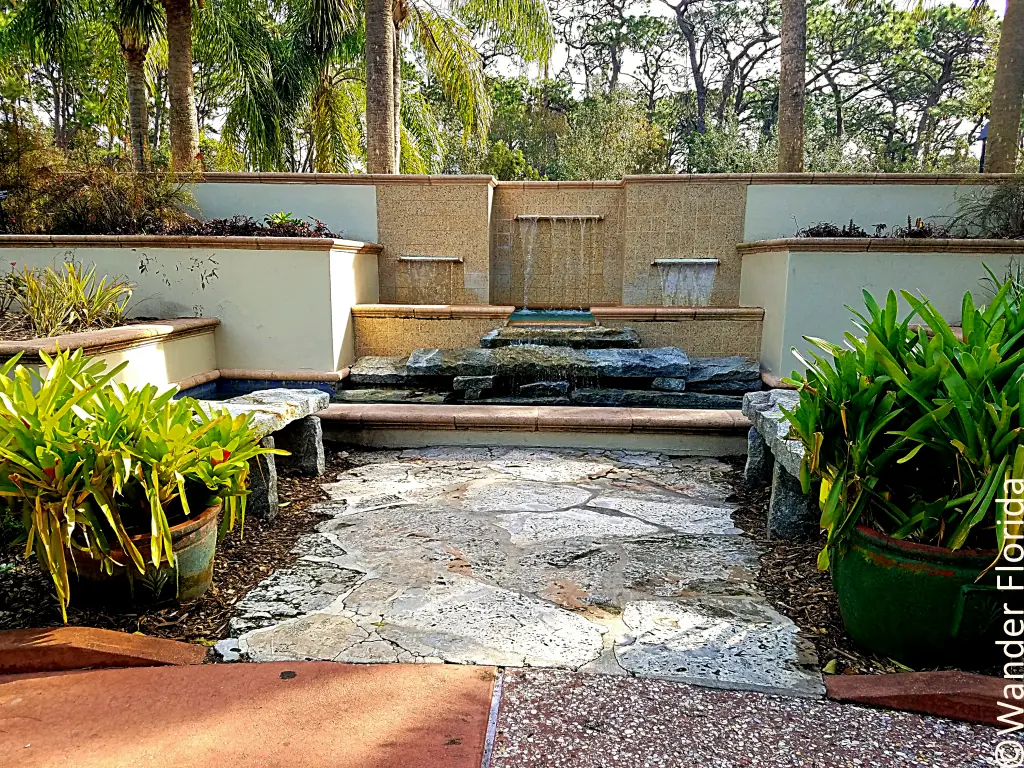
The Wedding Garden is where special events such as weddings are held. This walled garden at Florida Botanical Gardens has a center courtyard with a separate themed garden in each corner. Those are the jazz garden, rose garden, cottage garden, and topiary garden.
Rose Garden at Florida Botanical Gardens
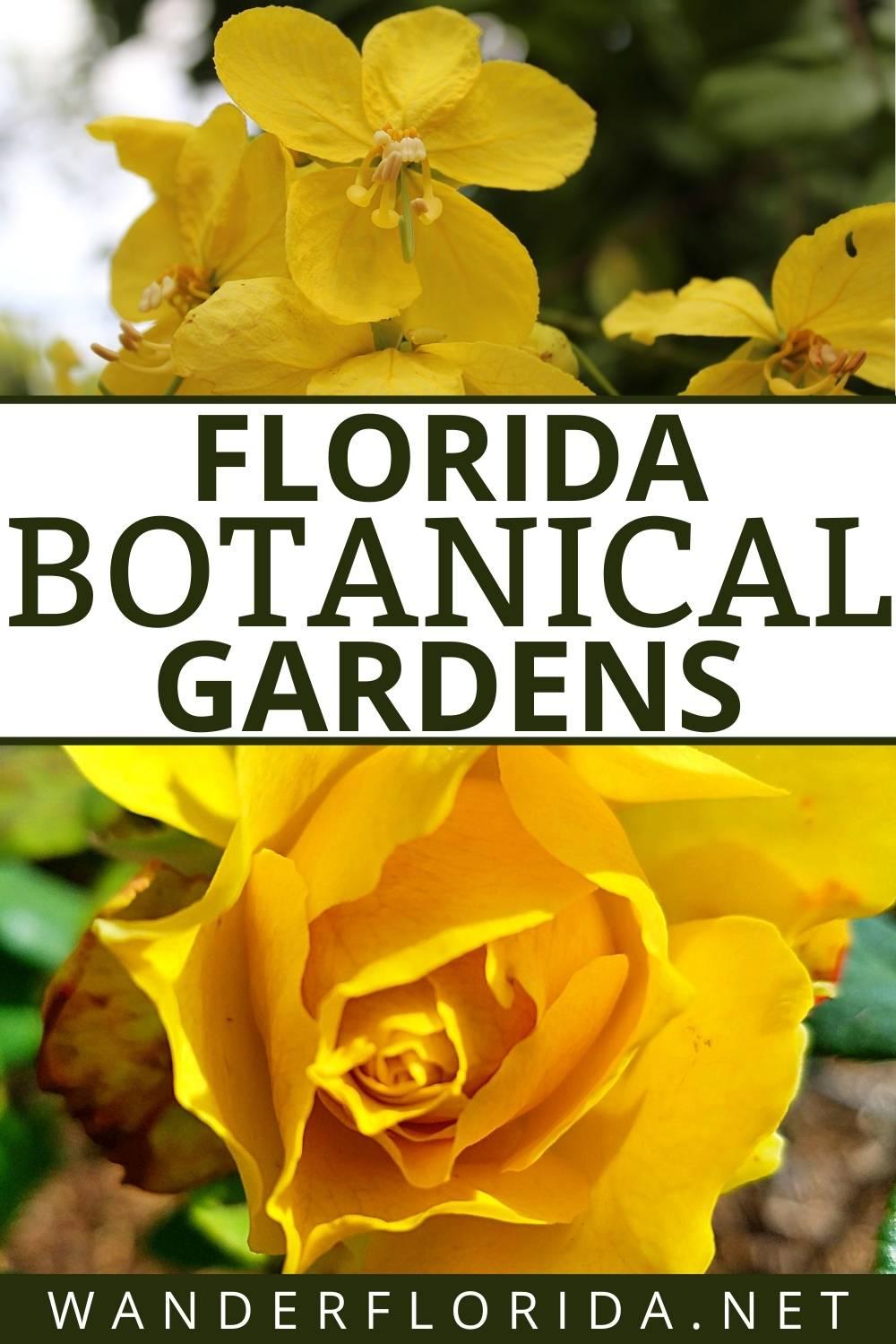
This small, intimate space celebrates the world’s most cherished plant, the rose. Roses grown in this garden show how to grow this plant in Florida. Climbing roses of red and pink grace the trellises. Both hybrid and old fashion roses grow together in harmony. Master Gardeners groom, fertilize, spray and weed the Rose Garden to keep it ready for visitors to enjoy.


Jazz Garden
The Jazz Garden celebrates the movement and color found in this American style of music. It’s walls are covered with creeping fig and metal sculptures. A bench tucked away in the secluded corner make this garden a private area which is also light and happy in nature.
Cottage Garden
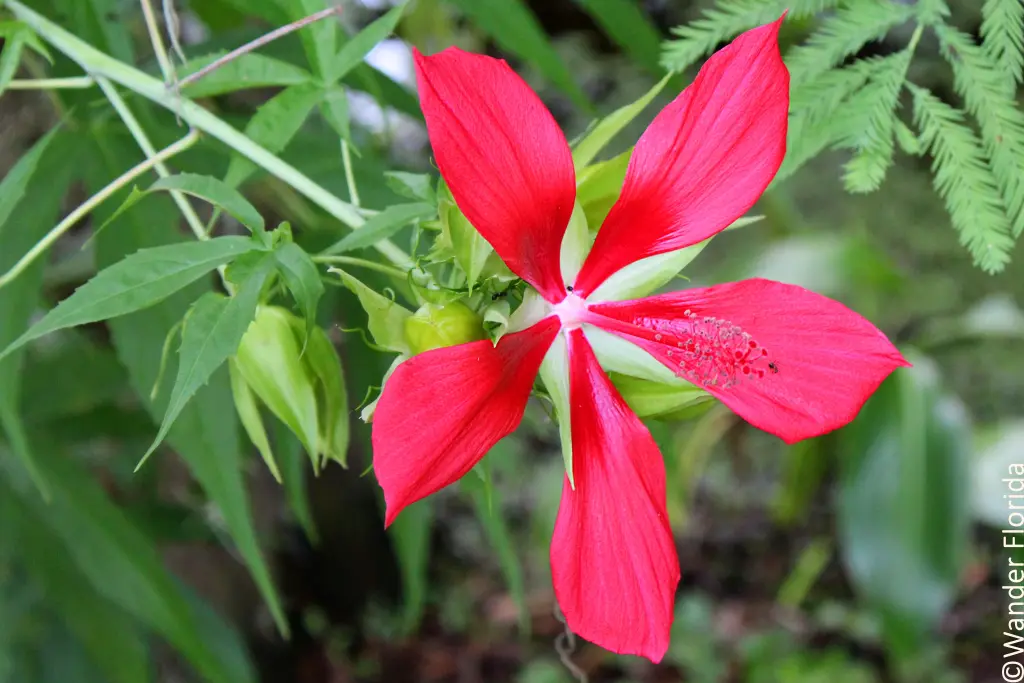
The Cottage Garden is reminiscent of an old English garden. Here, lots of perennial flowers, vines, and small shrubs grow along the short path to a man-made trellis which resembles the gnarled old trunks of large vines. On the trellis grow several plants including old-fashion roses and herbs. A very rare Hibiscus can be found within the Cottage Garden as well.

Topiary Garden at Florida Botanical Gardens
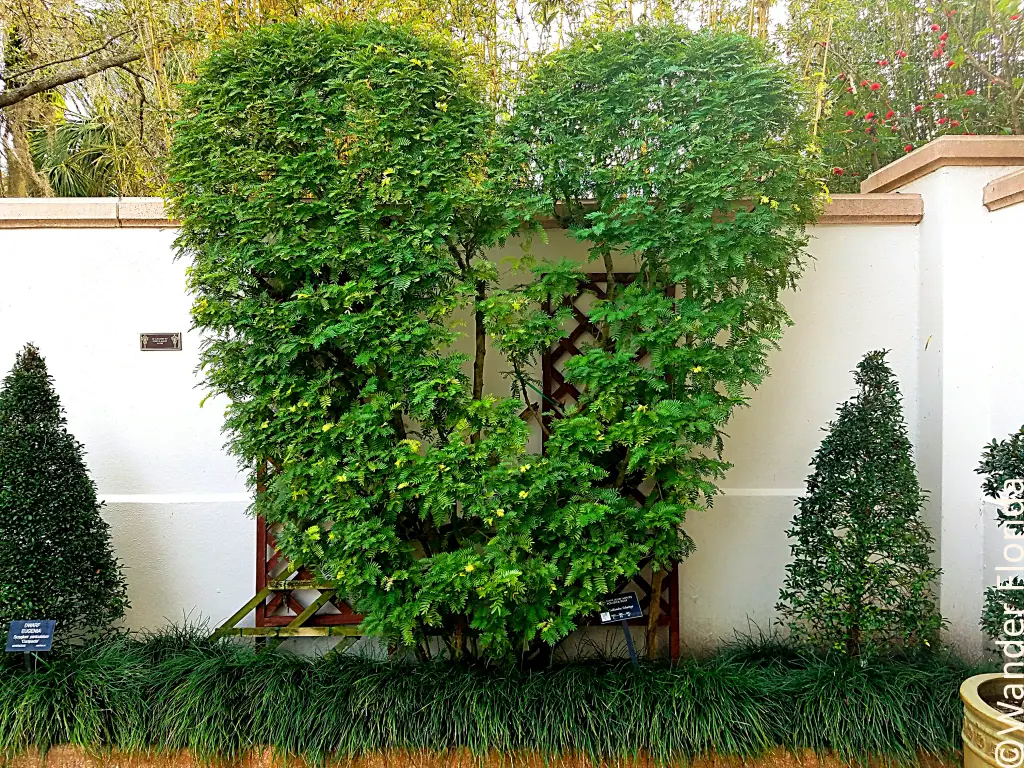
This garden displays different forms of topiary and offers a slightly different view of the plant world. Gardeners trimmed a large heart from a Powder Puff plant and shaped Podocarpus plants into squares and pruned hedges. Juniper swirls add interest to the Topiary Garden. A whimsical bear stands on a sphere made from sheared ficus plants.
Palm Garden
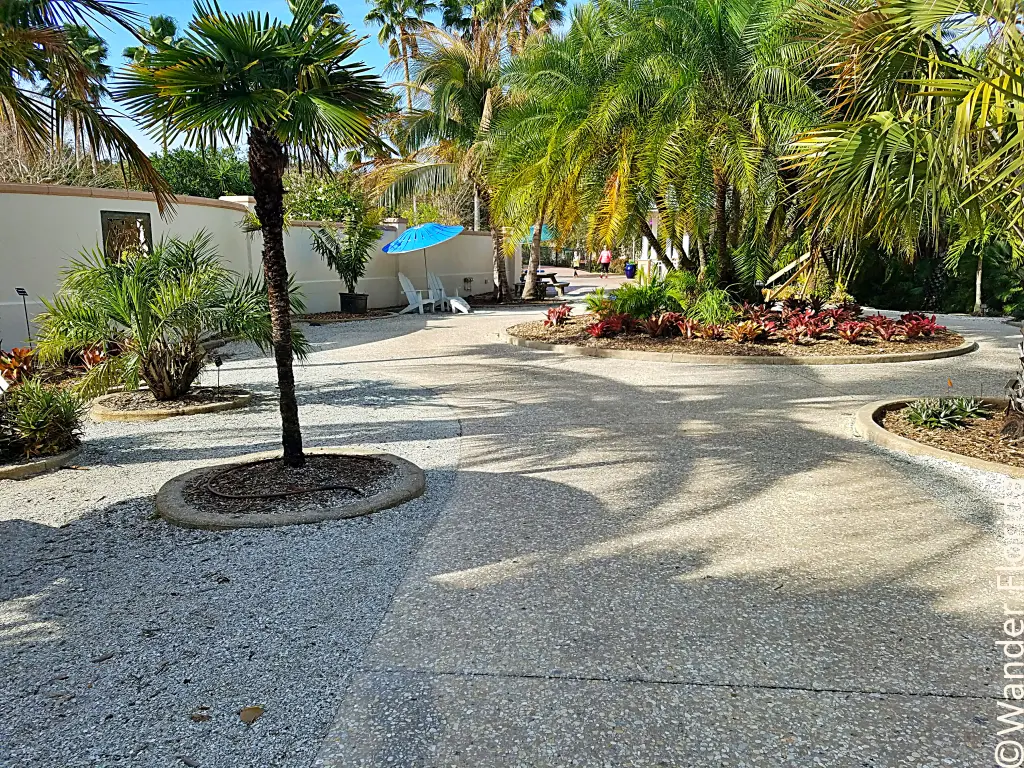
The Palm Garden is located beside the Wedding Garden and off the Plaza. This informal garden has water features, tropical palms, fountains, and umbrella-covered seating areas. There is also pavilion off the plaza for groups to gather. During the holidays, a hot cocoa stand sells coffee, hot cocoa, churros, and other winter treats.


The Vinery at Florida Botanical Gardens
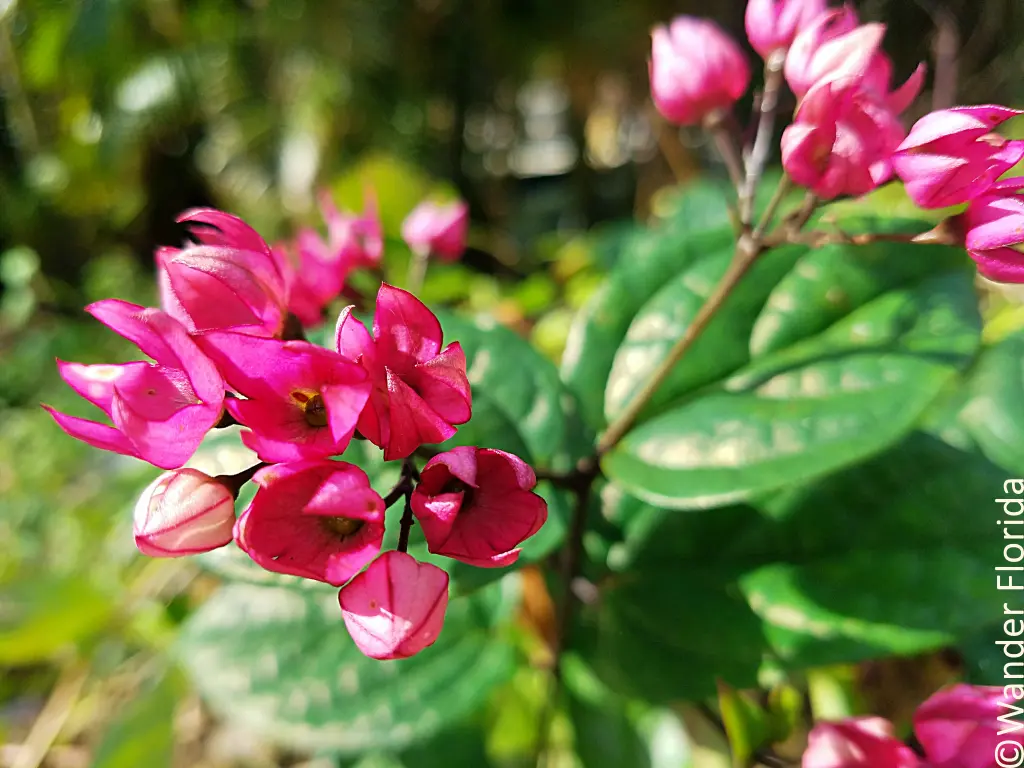
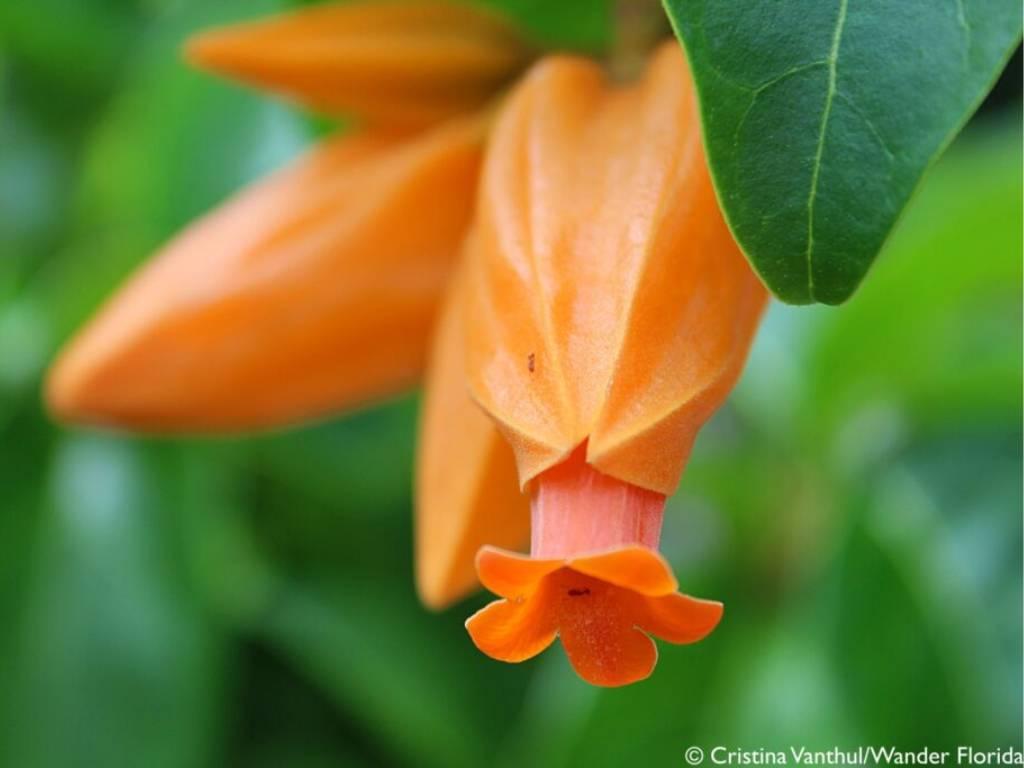
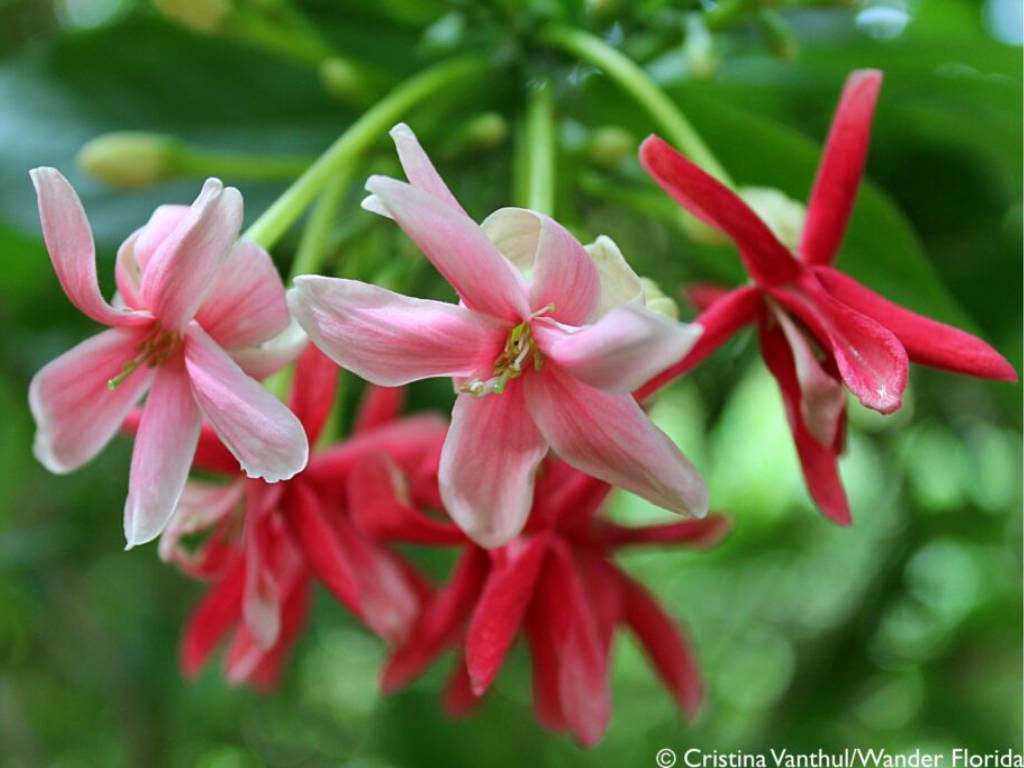
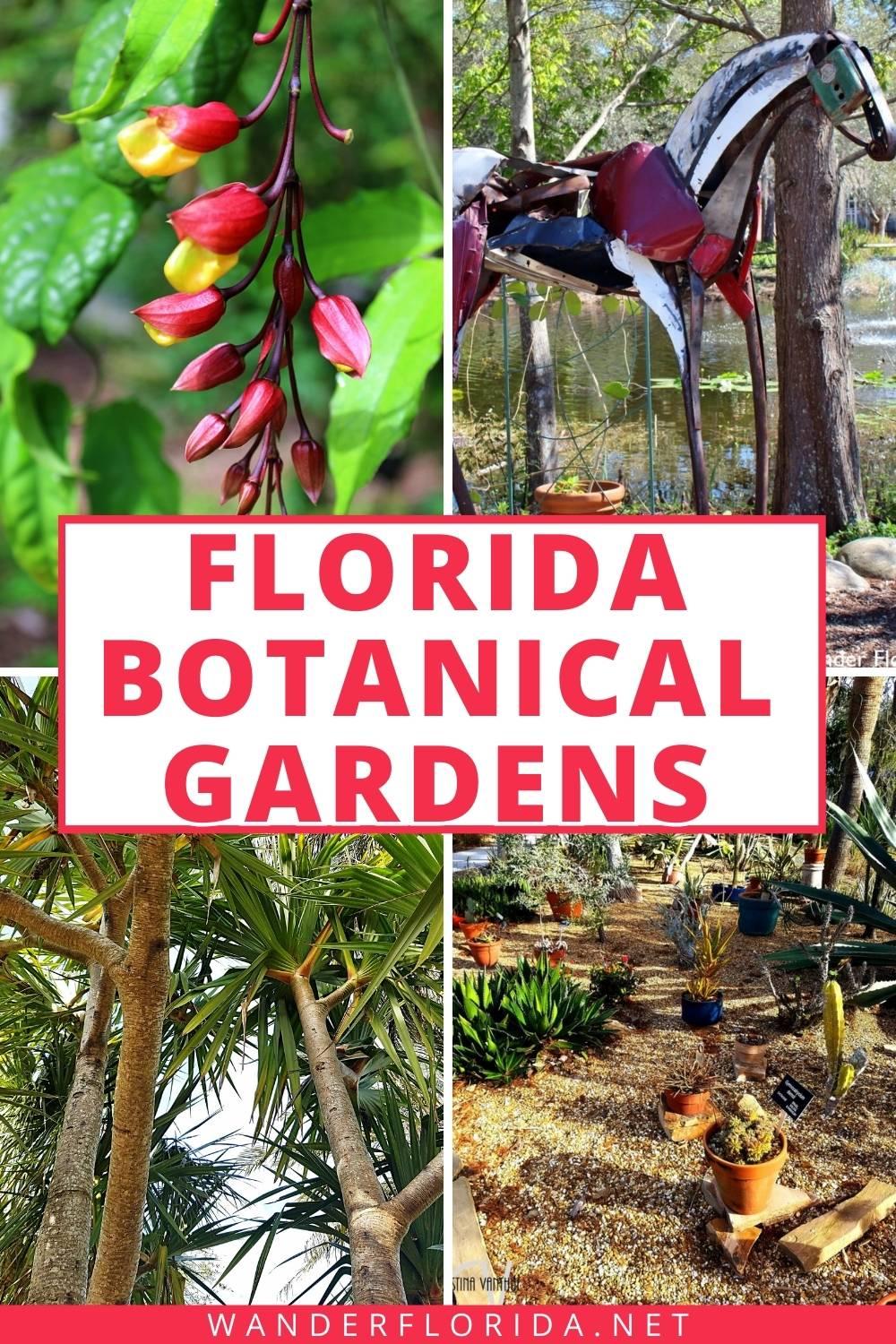
In The Vinery portion of Florida Botanical Garden, large trellis structures provide support for different vines. Each vine has it’s own trellis, and they bloom at different times so something is always in bloom providing a great pop of color on the way to the The Wetlands section of the park. Blue Thungergia, Clerodendrum, and Purple Passion Flower are a few of the colorful vines.
The Wetlands Walkway
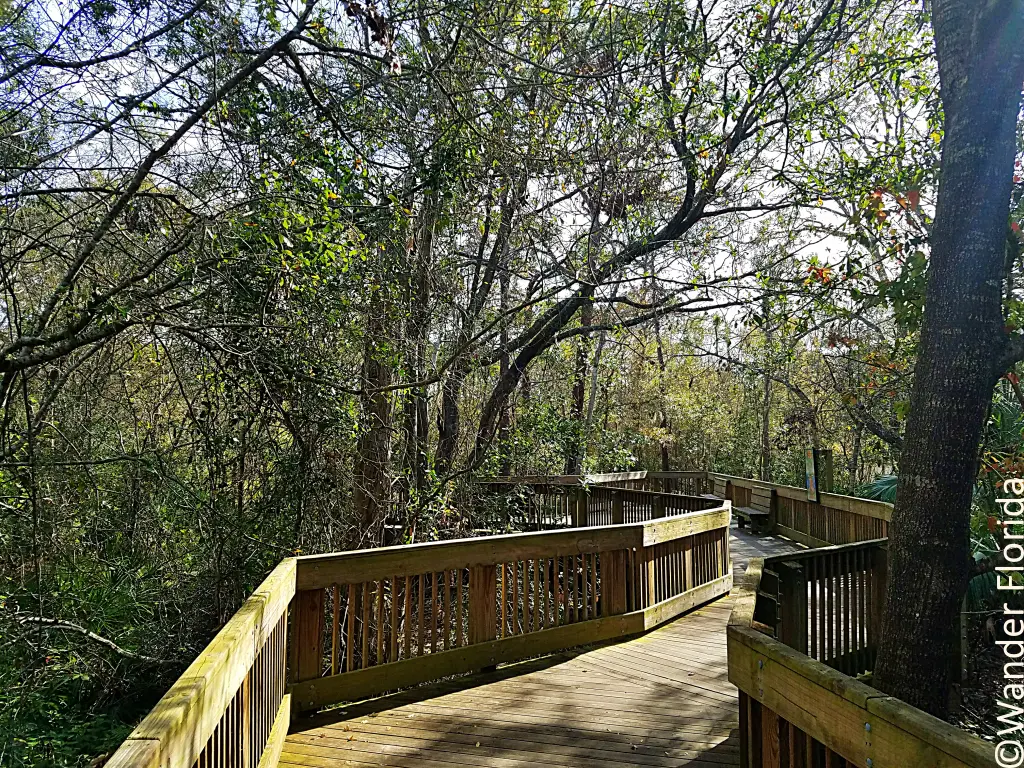
The Wetlands Walkway at Florida Botanical Gardens winds through a natural Florida wetlands ecosystem. At several places, the boardwalk offers places to sit and observe the trees and understory bushes. In other places, the walkway forks to the side, providing an overview look at a low plain and pond. Interactive displays along the walkway encourage children to play and learn as they walk through the trees.
From the Wetlands Walkway, we cross back over McKay Creek to see the gardens on the west side of the property.
Tropical Fruit Garden
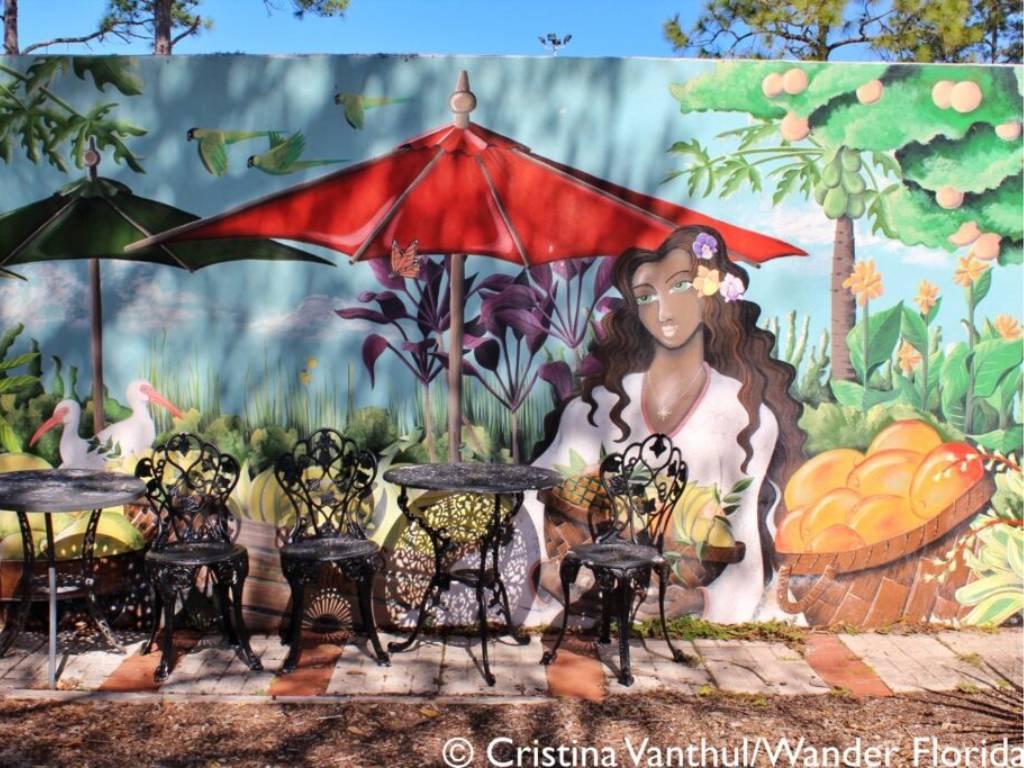
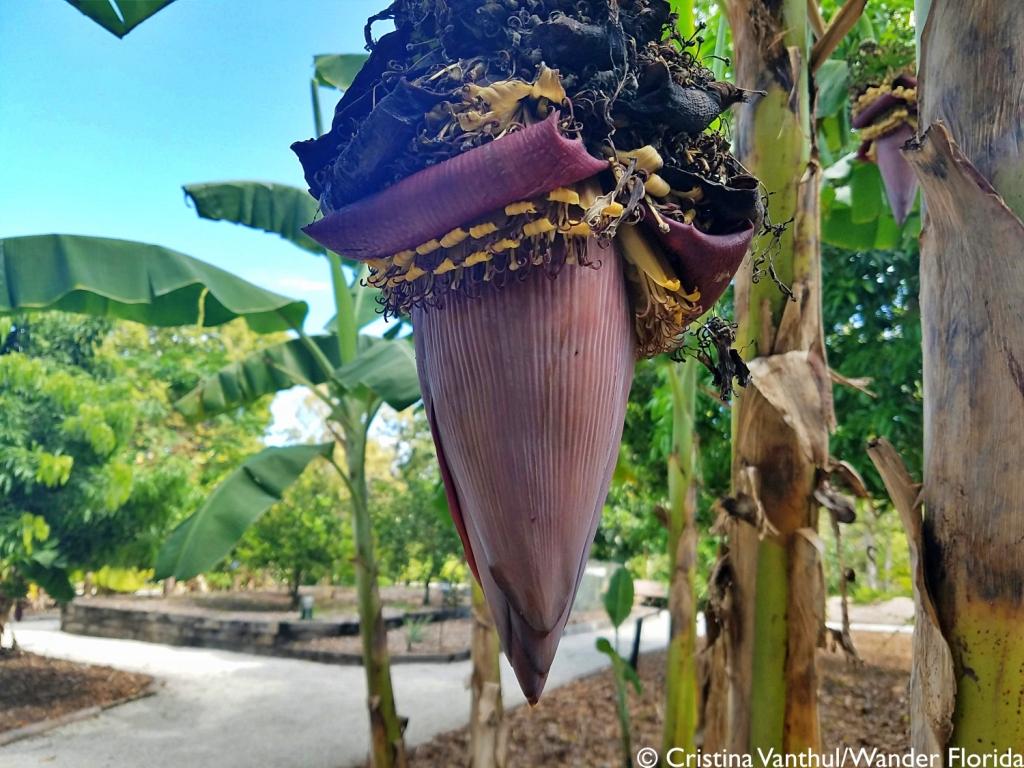
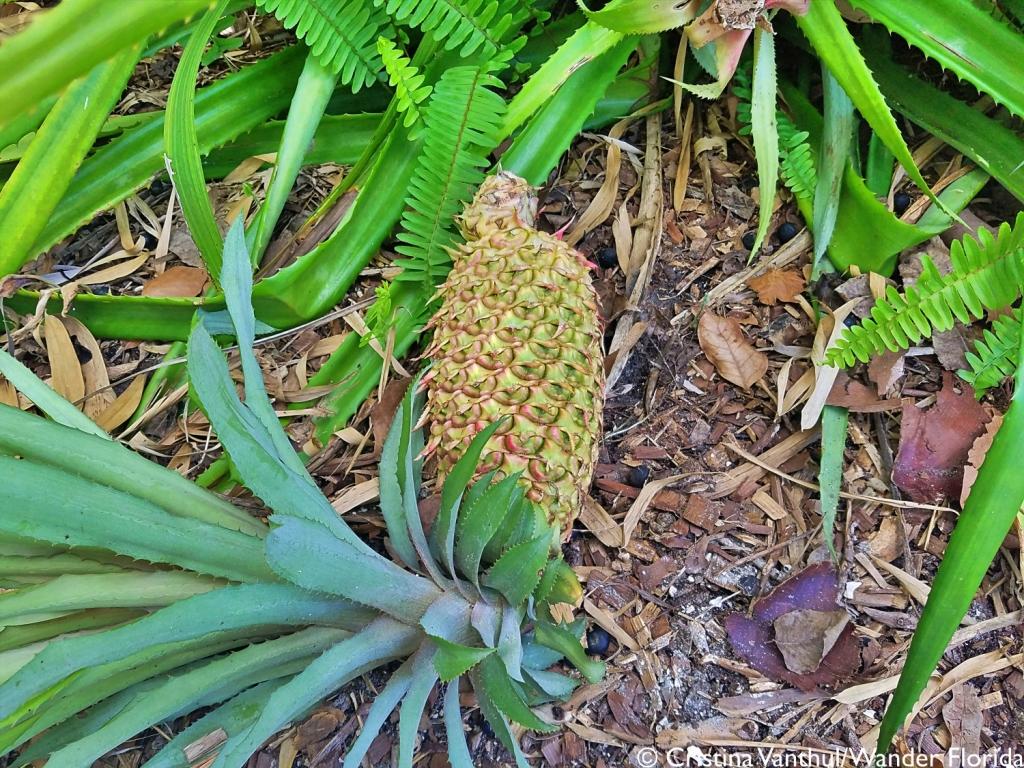
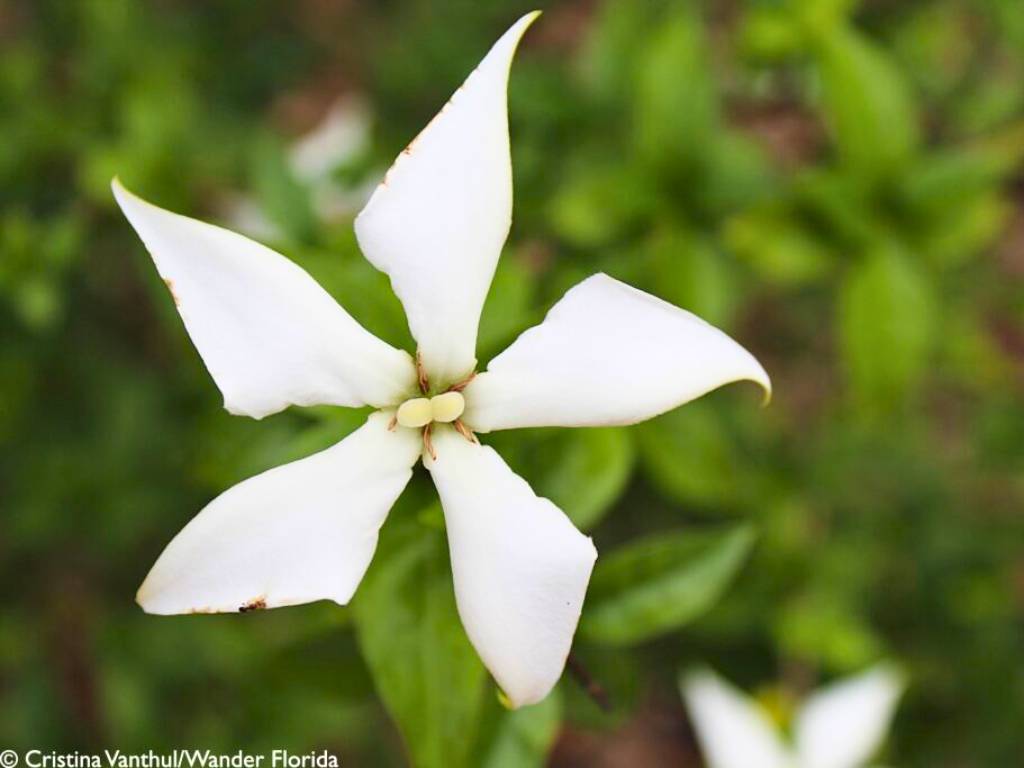
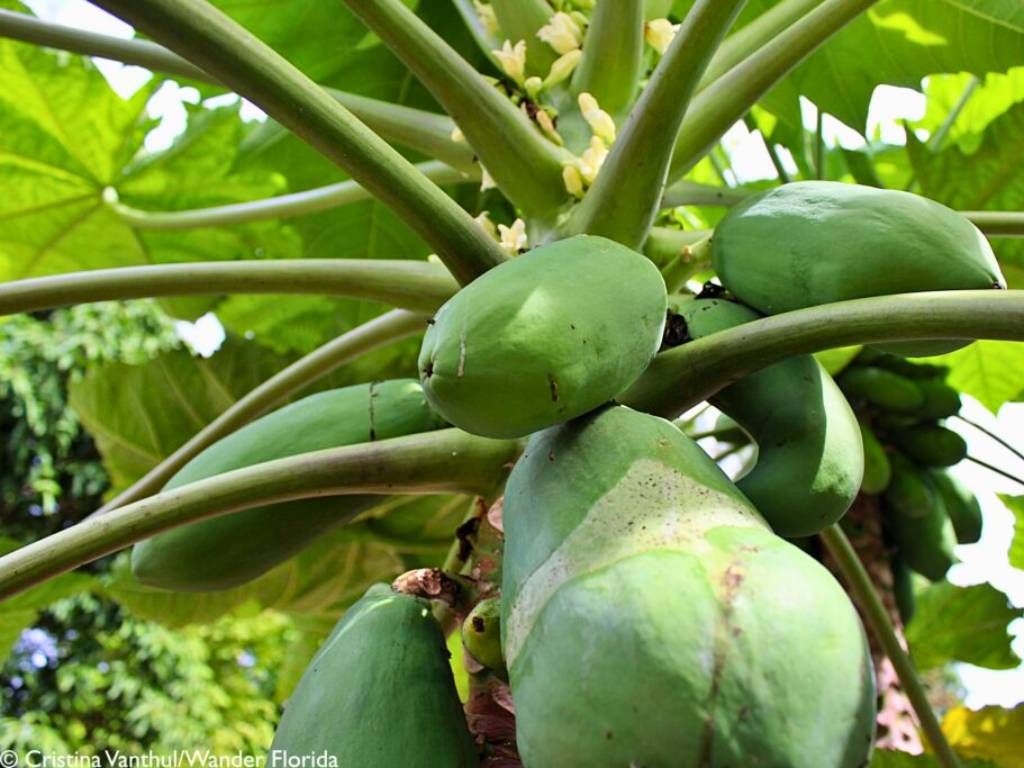
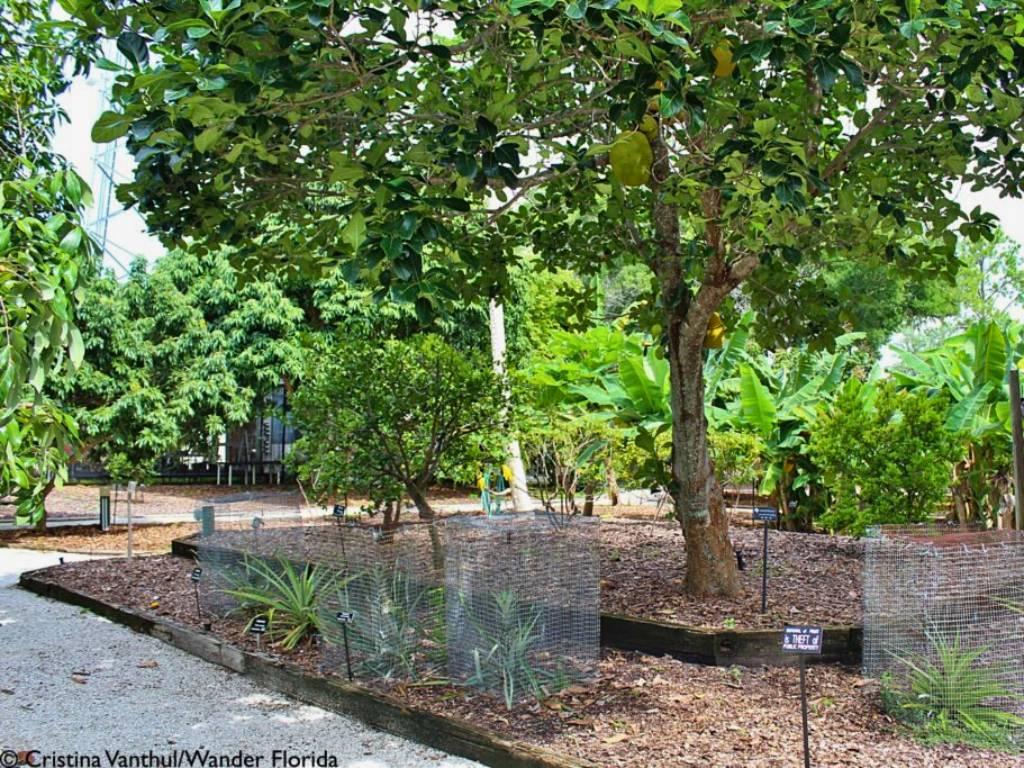
In the Tropical Fruit Garden, gardeners and volunteers grow fruit trees found in tropical countries around the world. Visitors to these gardens will see common fruit like bananas and pineapples as well as more exotic fruit such as pomegranate. A beautiful mural provides a spot to sit and enjoy this garden.
Herb Garden
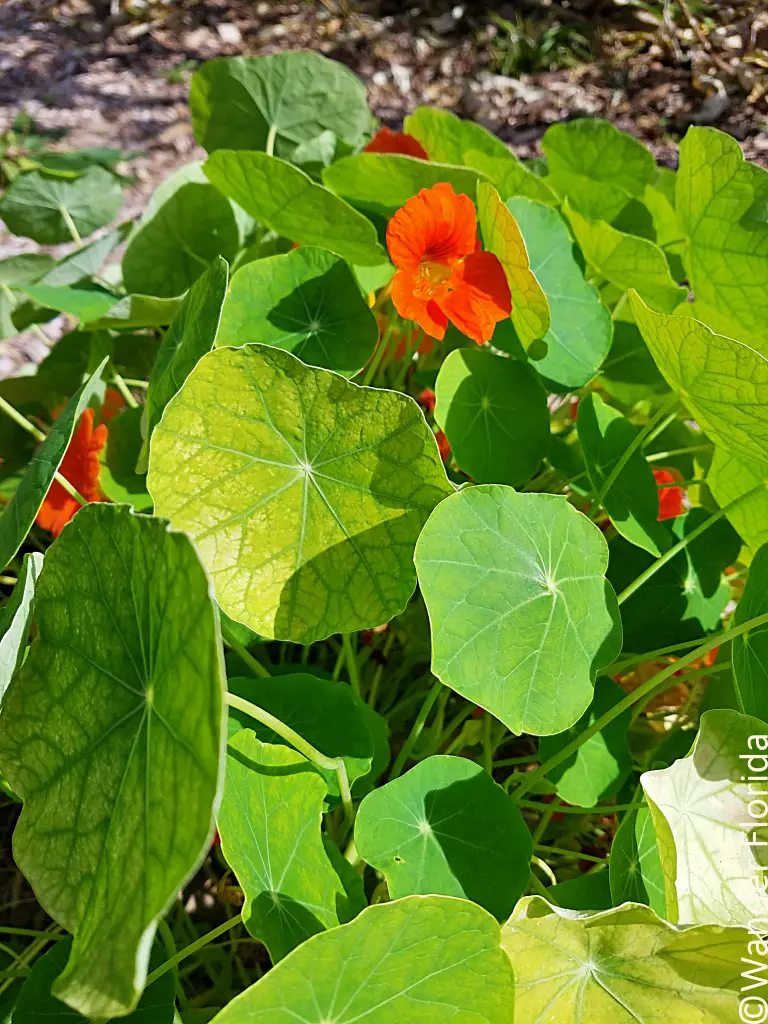
The Herb Garden is partially walled and surrounded by a hedge. At one end, picnic tables sit beneath a large kapok tree. The rest of the garden features paths with smaller herb gardens between the paths. Plants range from common herbs such as rosemary to Florida natives like elderberry to exotic herbs such as Chinese Cinnamon. Every plant in the Herb Garden is edible or can be used for medicinal purposes.

Native Garden
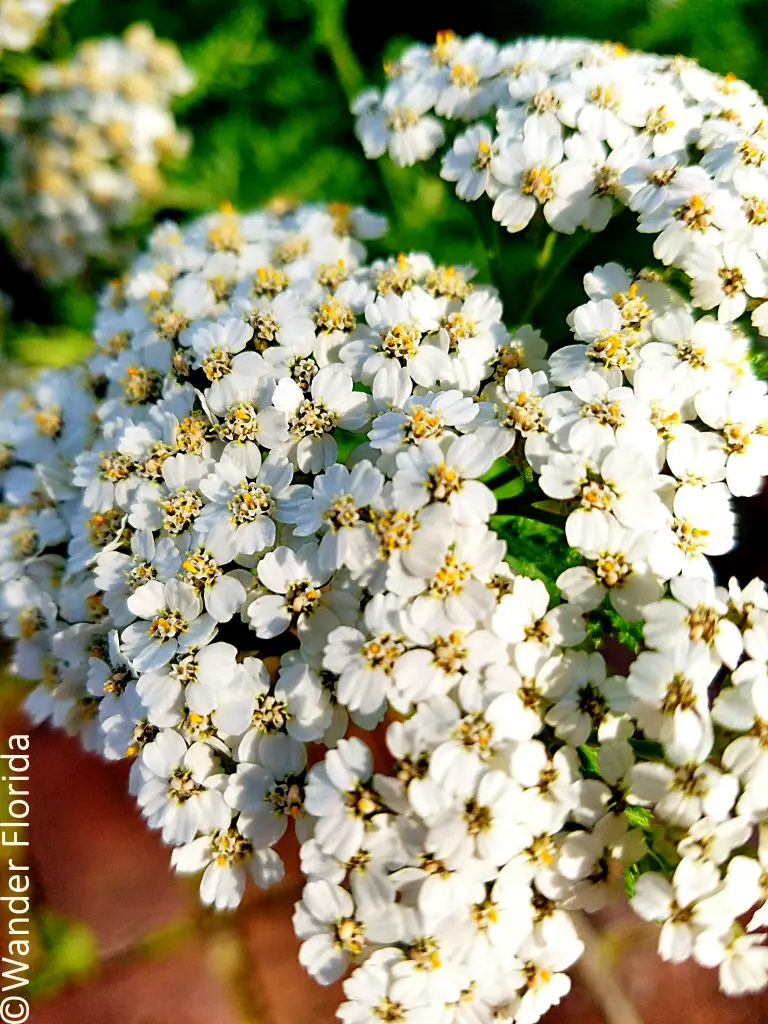
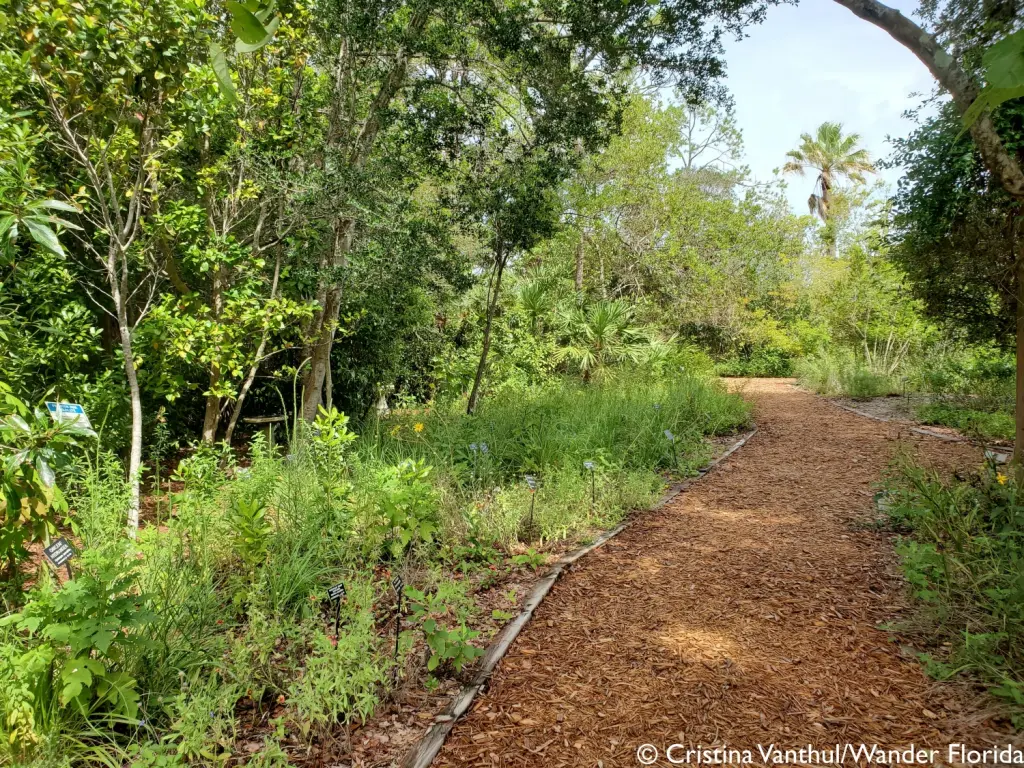
The Native Garden is filled with native Florida plants. You might recognize some of the plants in this garden as “weeds”; however, the plants many people call weeds are often native plants. Native annuals, Marlberry, Oaks, Pines, Firebush, Sugarberry, and Stokes Astor are a few natives found here.

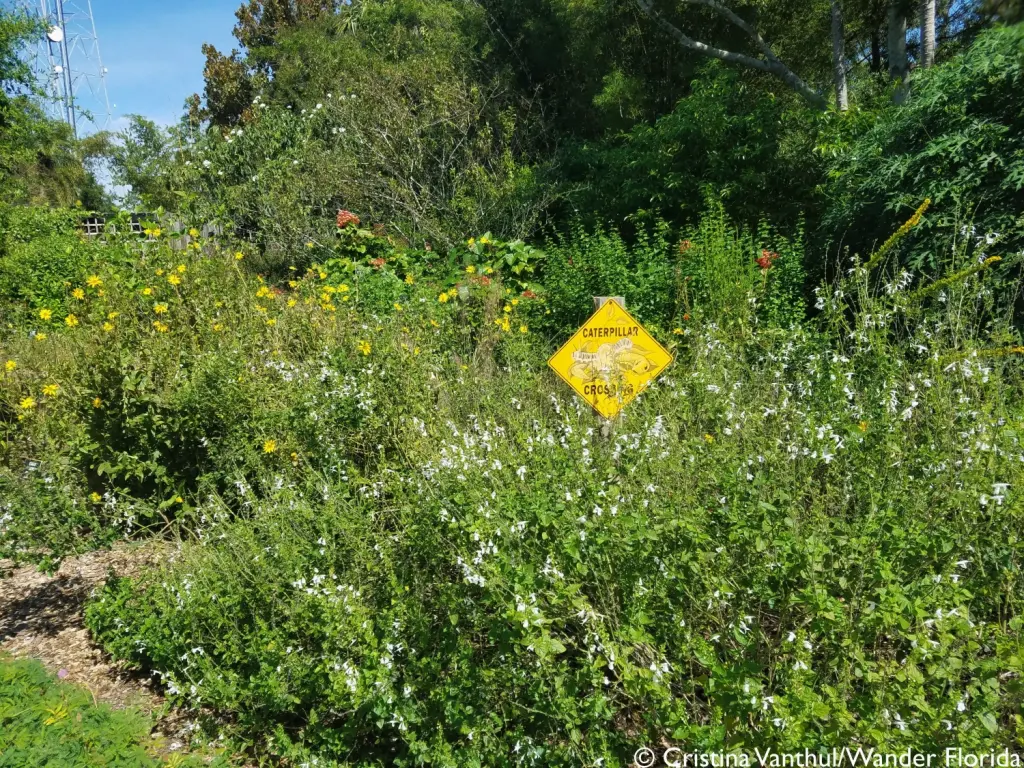
Butterfly Garden
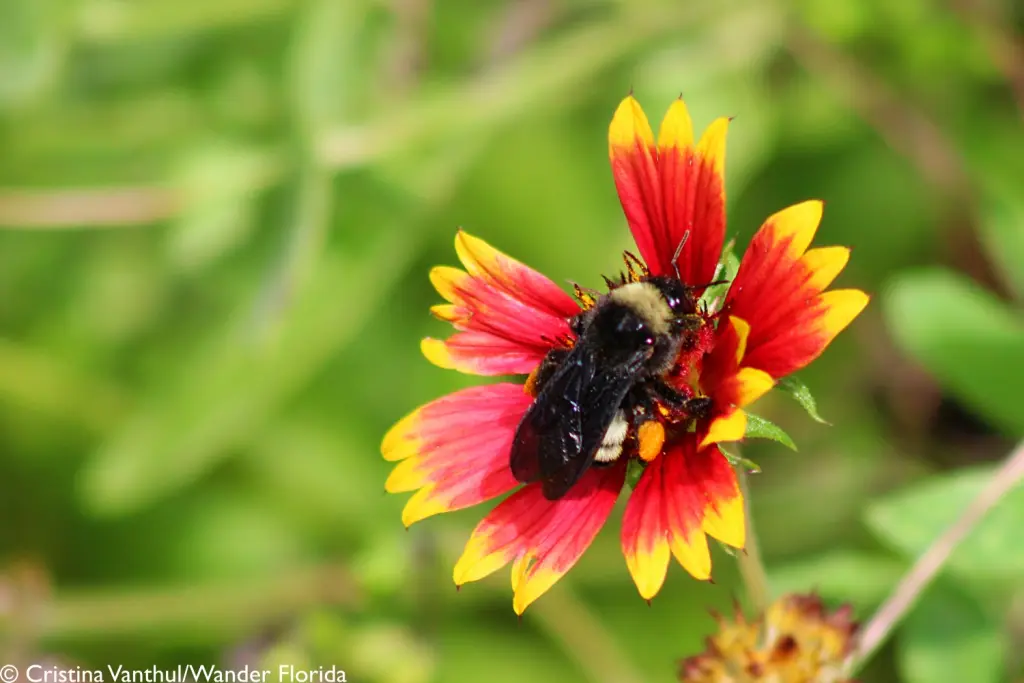
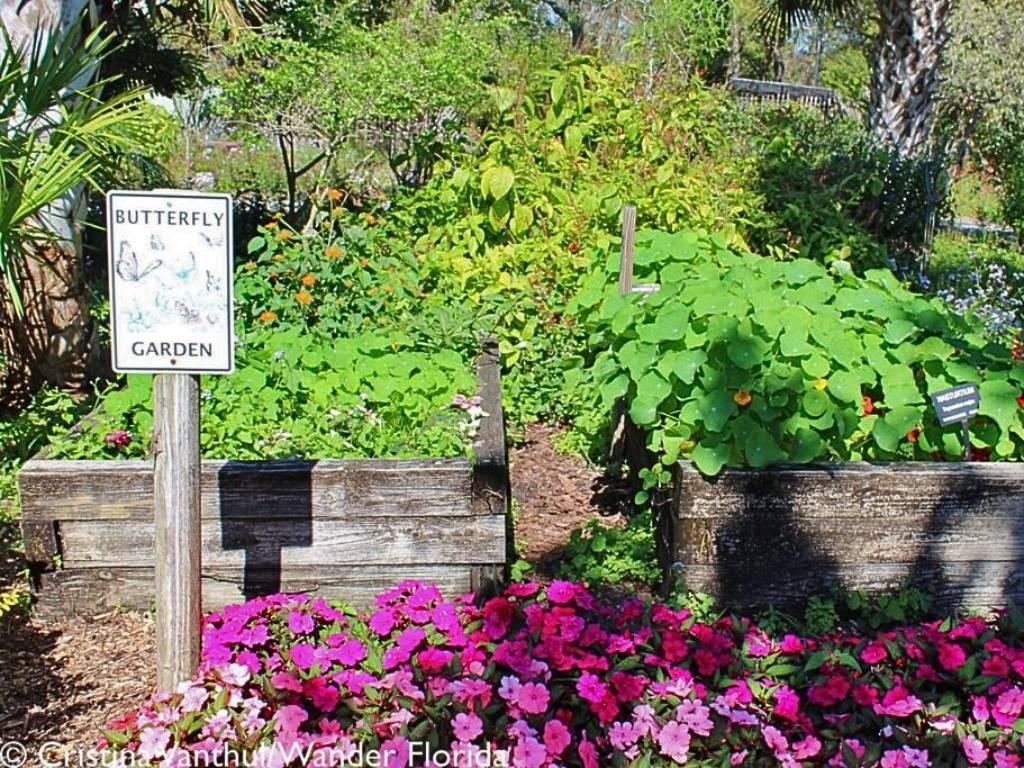
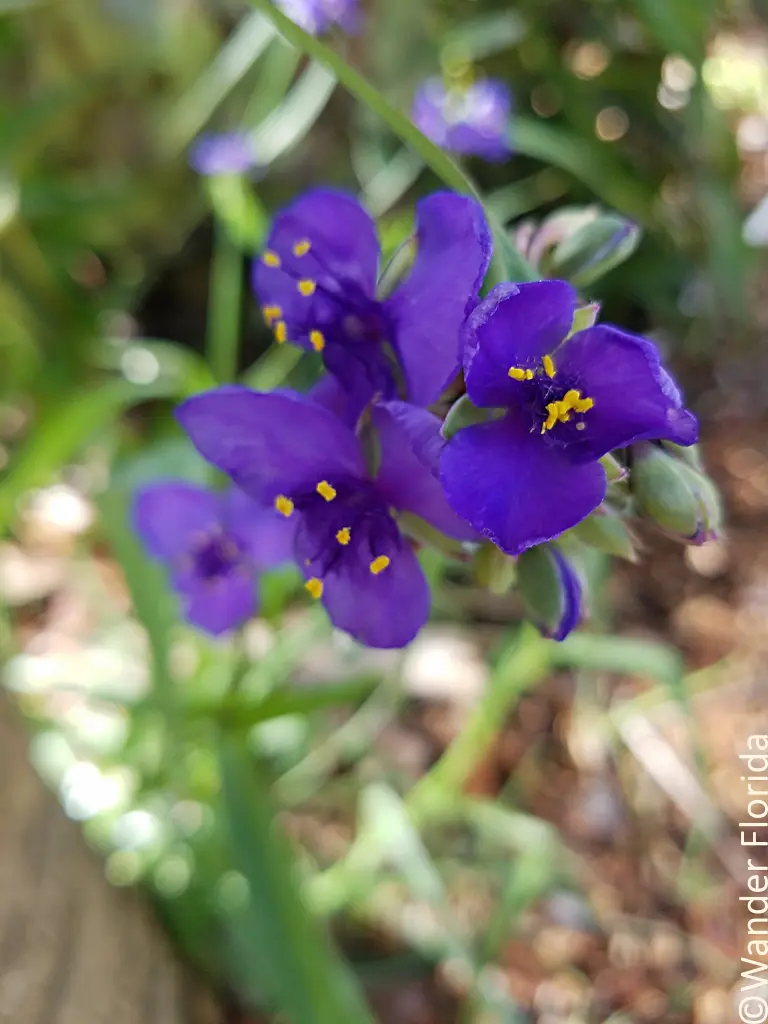
Butterfly gardening is popular among children and adults alike. Located next to the Visitor Center, butterflies are seen year-round in this garden. There are many plants which supply both larval and adult food. An archway supports Coral Honeysuckle, a nectar plant. The Butterfly Bench stands out in the garden, and is the perfect place for a photo-op.
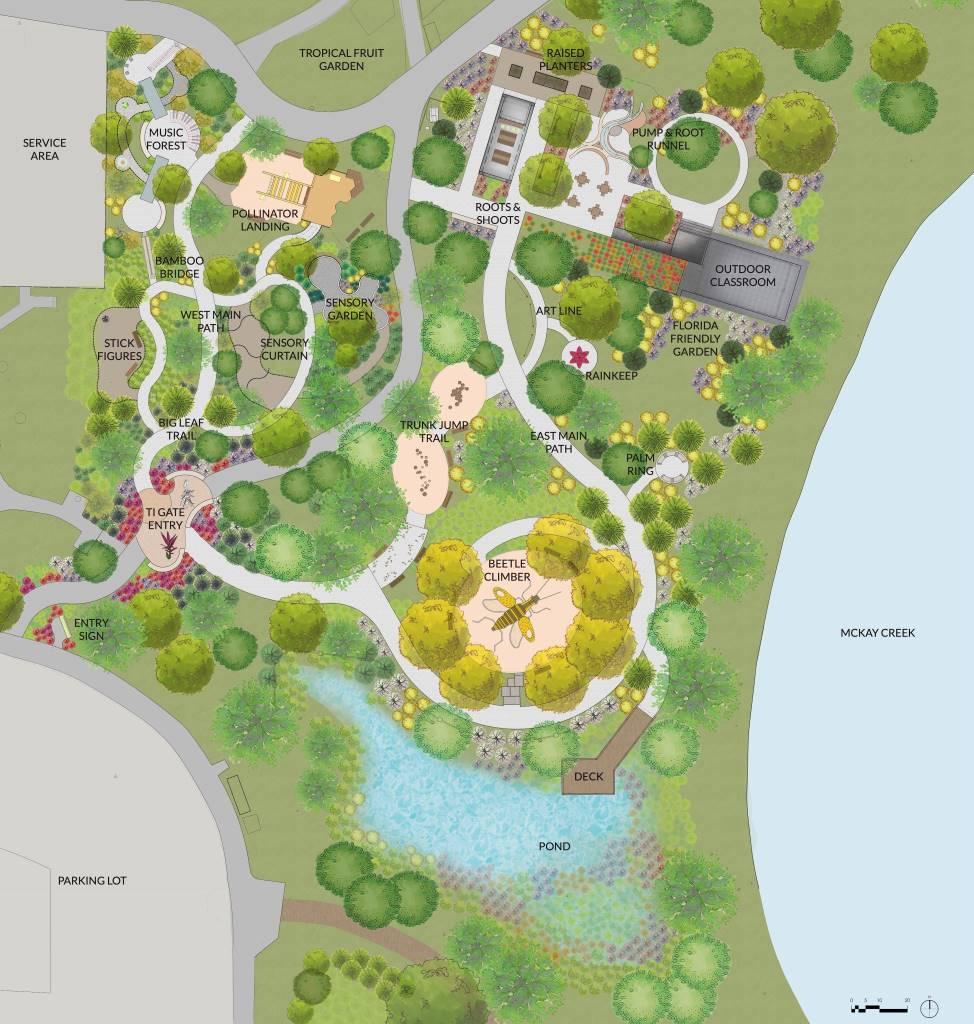
Majeed Discovery Garden
This garden is not yet open but is highly anticipated by the community. The Discovery Garden will be an interactive place for children to learn and grow. Current plans include an outdoor classroom, beetle climber, a sensory garden, and a music forest.
Art at Florida Botanical Gardens
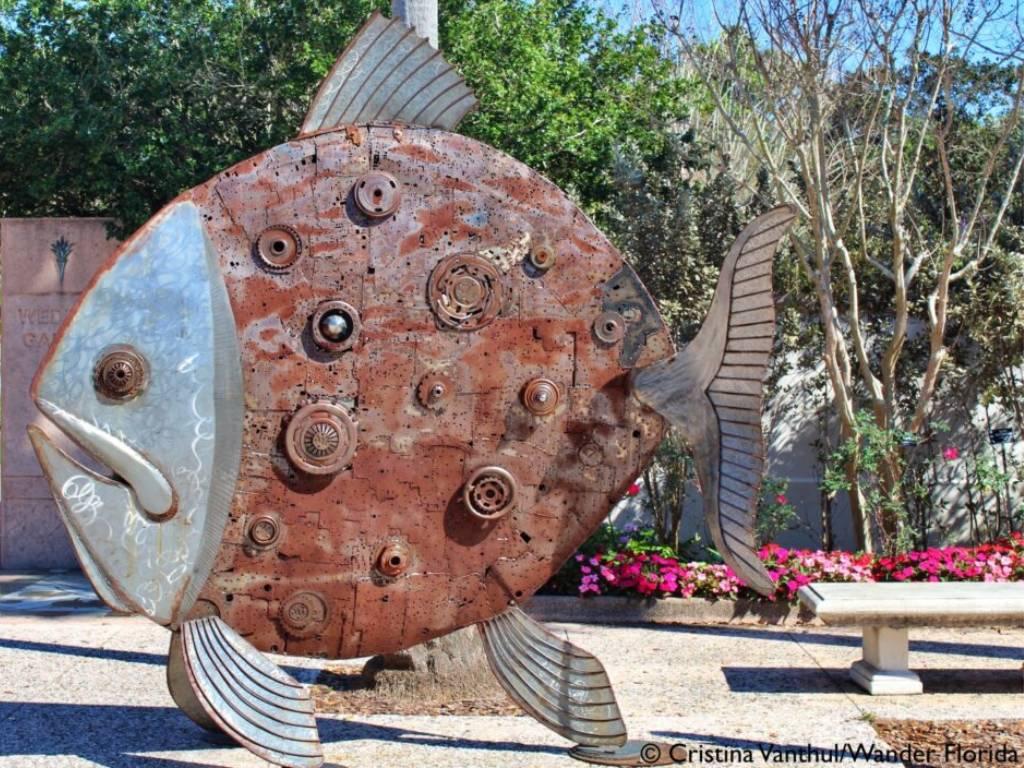
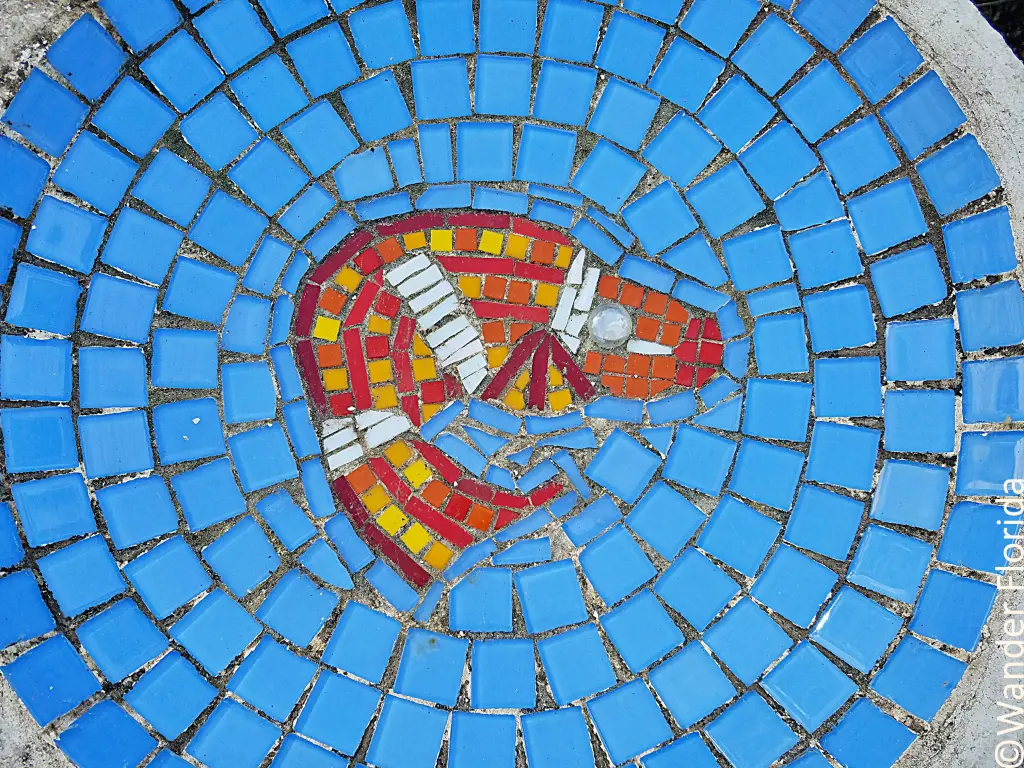
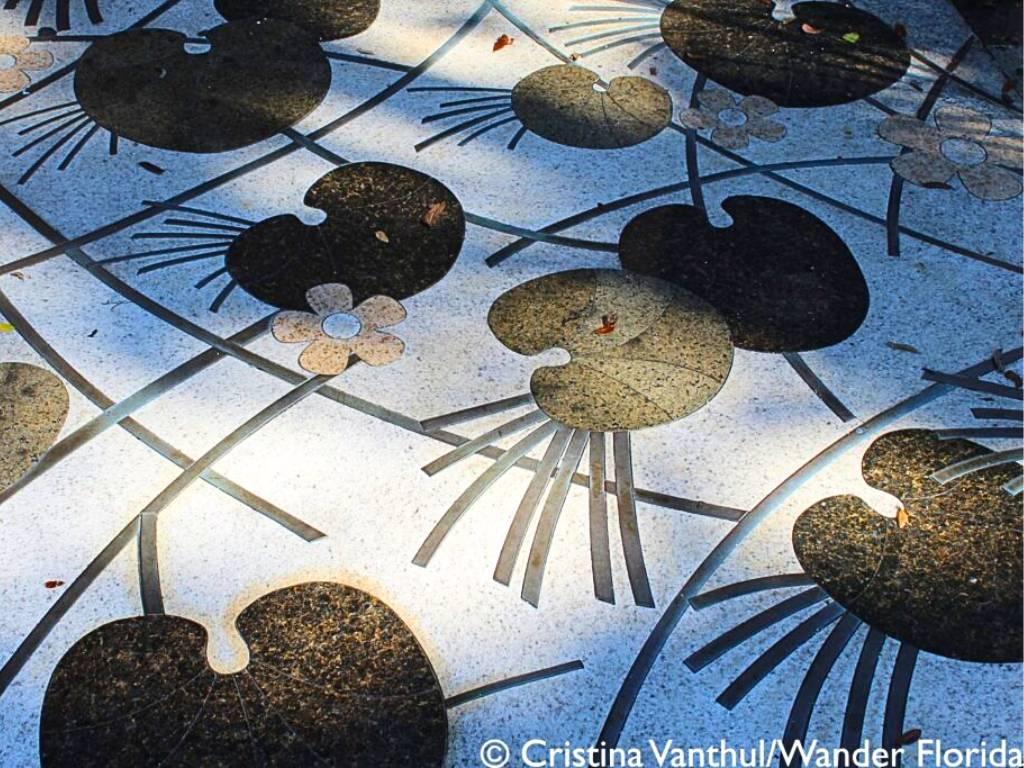
Besides plants, artwork decorates the grounds of Florida Botanical Gardens. Metal sculptures sit within gardens. Murals adorn walls. Quotes are stamped in concrete. Look up, down, and around, and your eyes are sure to fall on a piece of art.



Special Events at Florida Botanical Gardens
Florida Botanical Gardens hosts many special events throughout the year. Master gardeners teach classes, and plant or gardening associations hold meetings in the visitor center. The Gardens hold plant sales, and the calendar is filled with events such as Third Saturdays at Pinewood, orchid repotting classes, and guided tours. Two annual events, however, are the highlight events of the year – Holiday Lights and PumpkinFest.
PumpkinFest
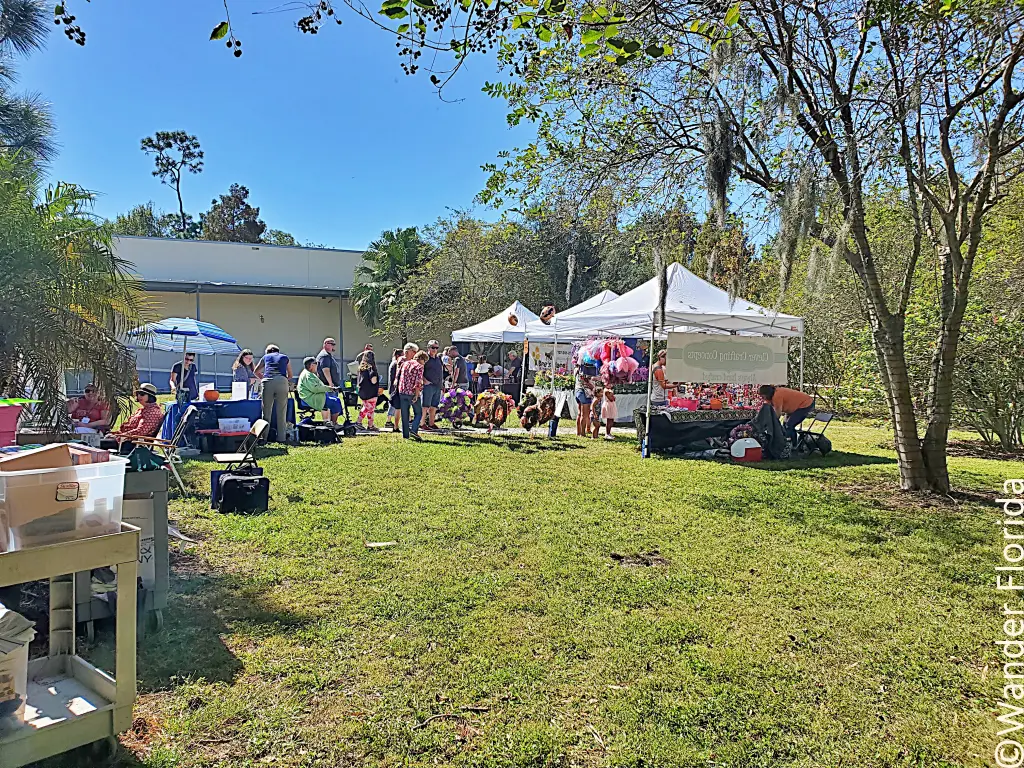
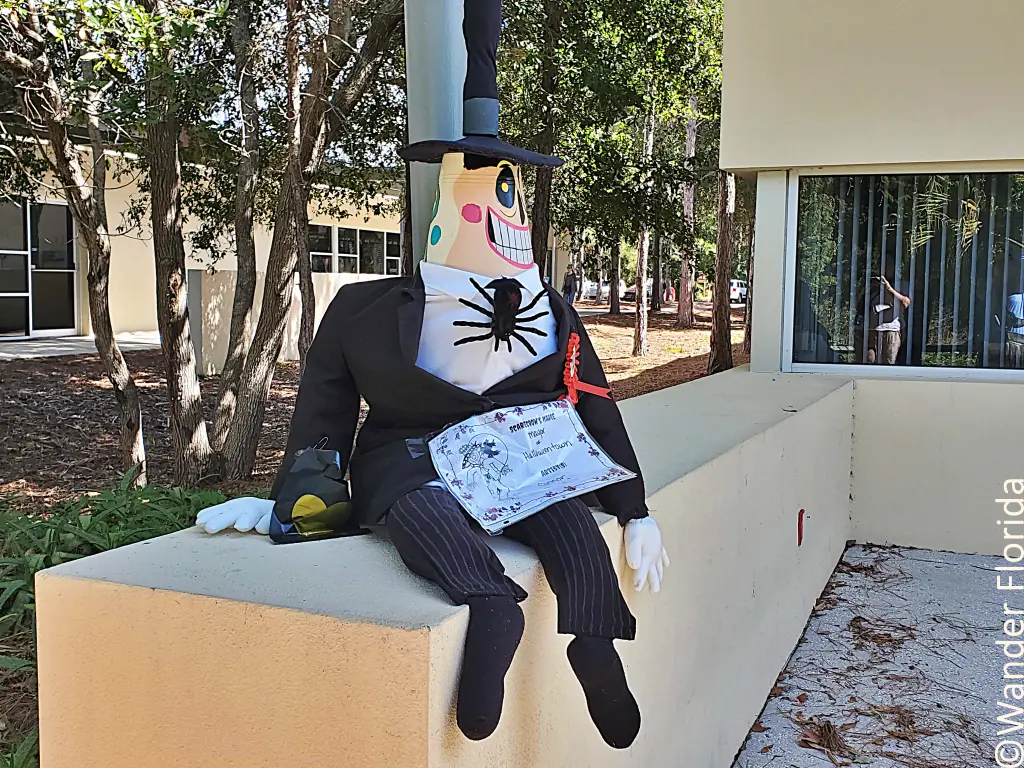
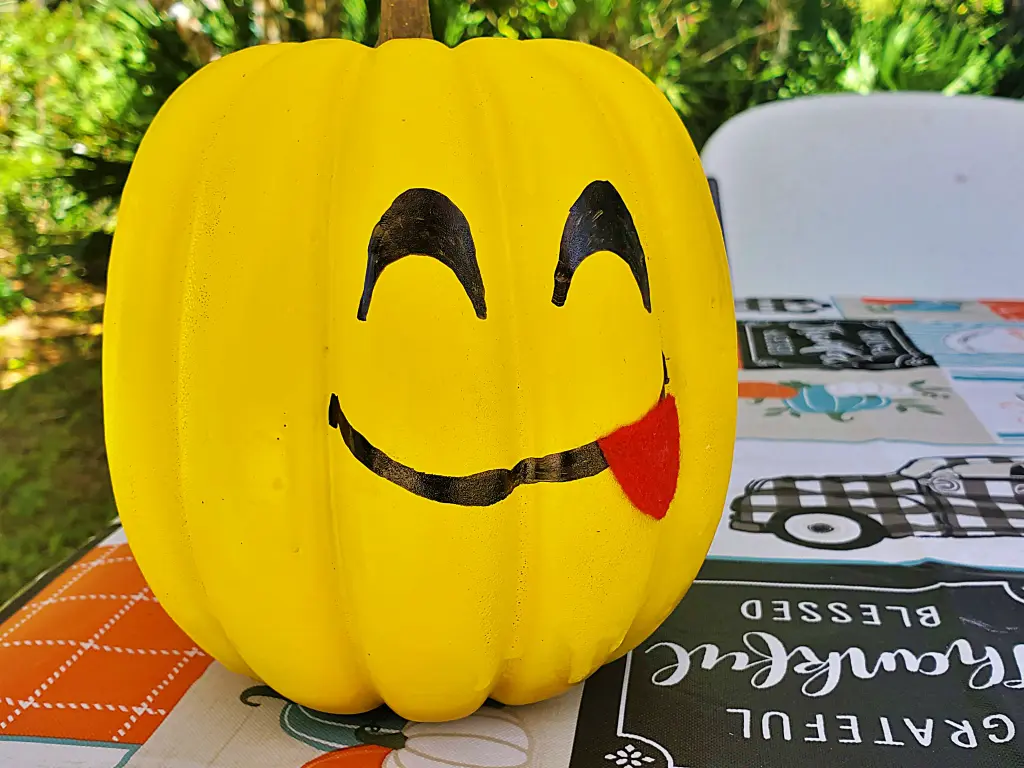
A celebration of the fall season in Florida, PumpkinFest features pumpkin carving crafts, games & activities; a vendor market; a DJ; a scarecrow contest; and trick or treating in adjacent Heritage Village. Though PumpkinFest is confined to a small area and the gardens are not decorated, it’s a fun event which is family-friendly and a lot of fun for kids.
Holiday Lights in the Gardens
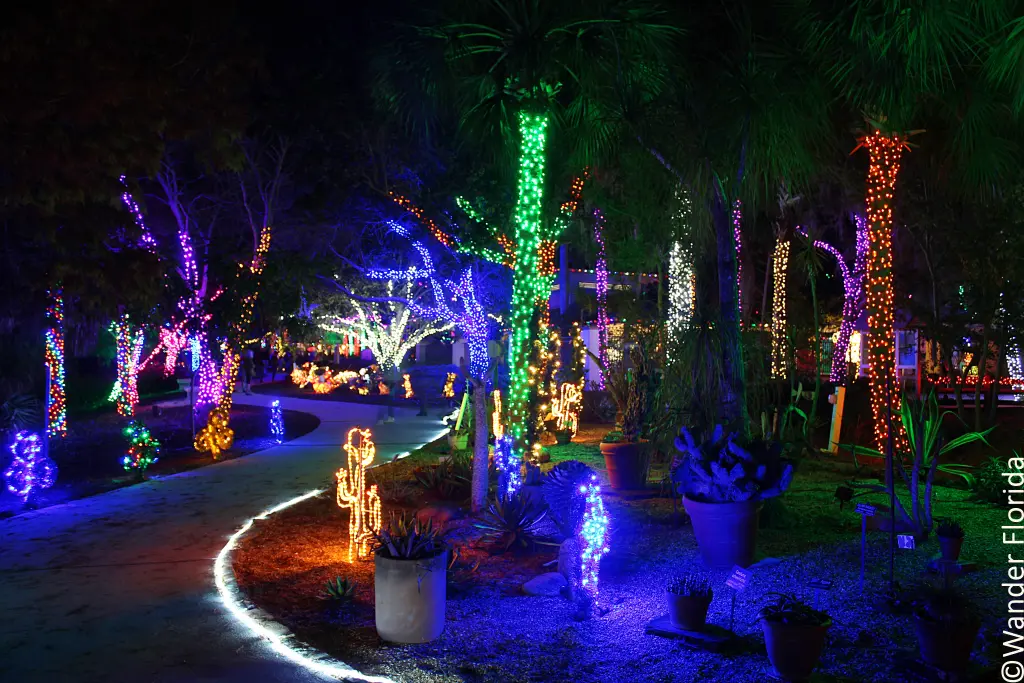
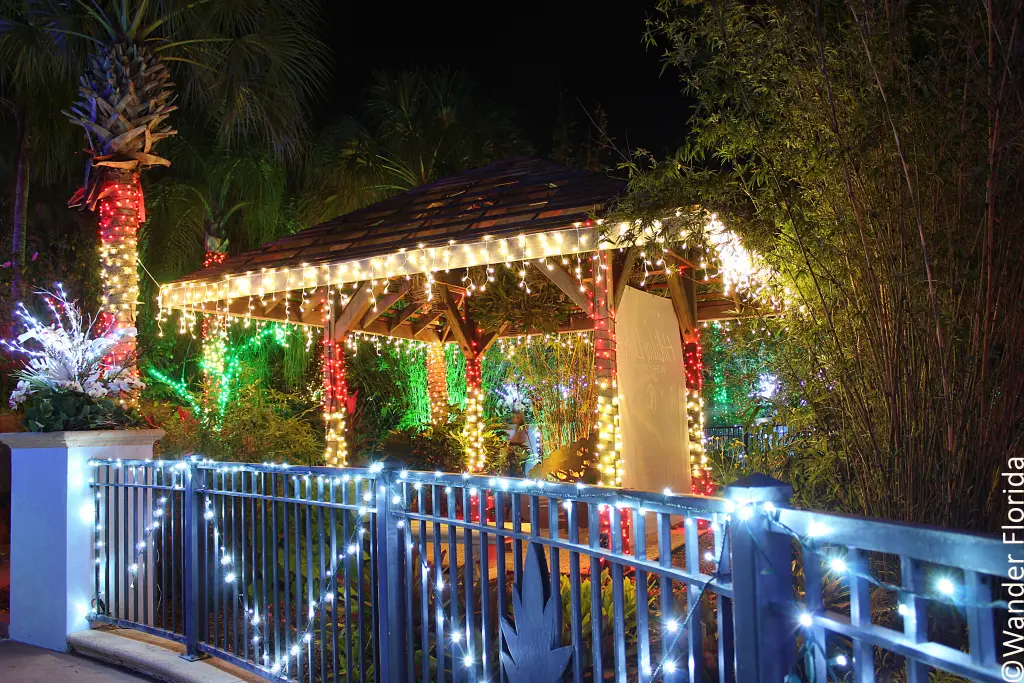
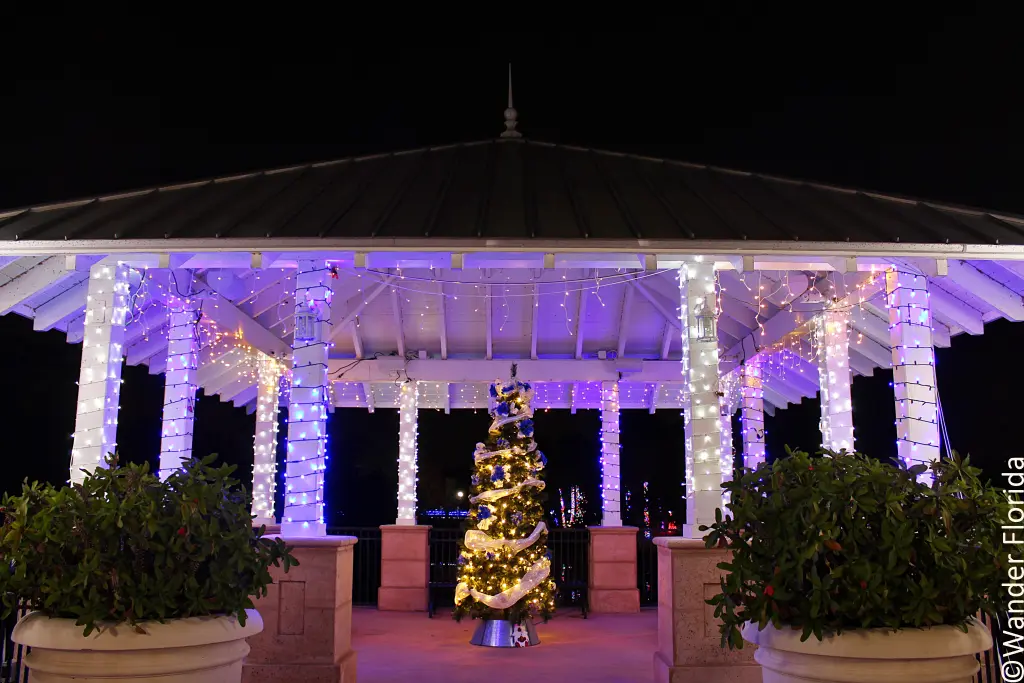
The annual Holiday Lights in the Gardens event occurs every night from Thanksgiving to New Year’s Day and is one of the best holiday light shows in a botanical garden. Each year, the Gardens sparkle with more than 1 million twinkling LED lights decorating the grounds. Vibrant laser lights and lighted figures round out the displays. More than 100,000 guests visit to delight at the sights as well as the sounds of live music throughout the park.



Other Things to Do at Florida Botanical Garden
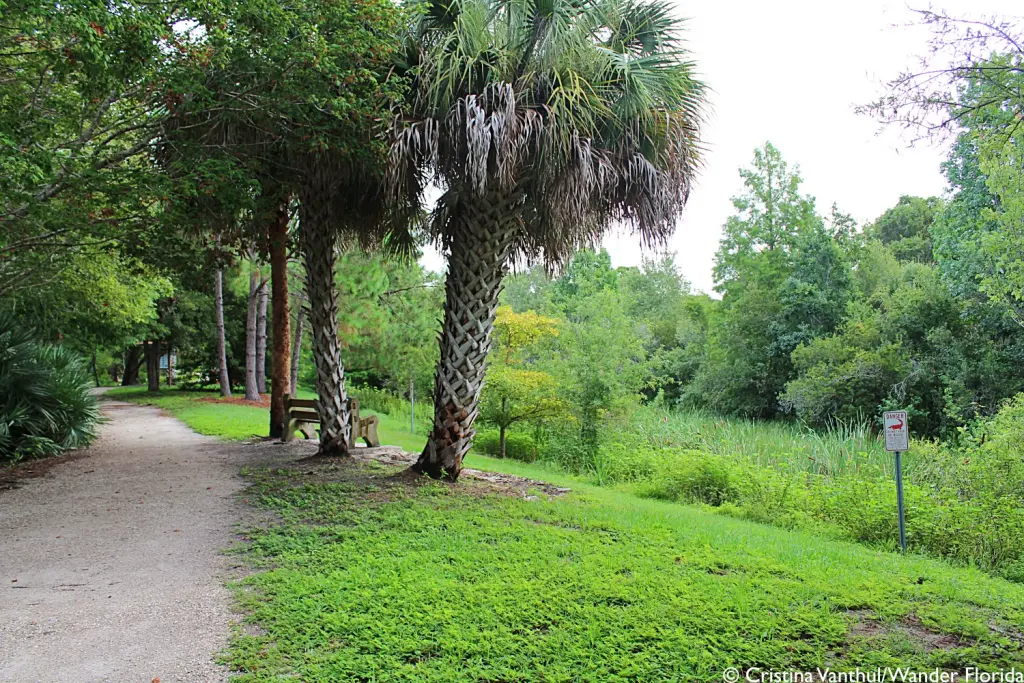
If the gardens aren’t enough to do at Florida Botanical Gardens, try some of the other attractions like the nature trail or the aquatic demonstration area. The nature trail passes through approximately 1 to 1.5 miles through Florida’s typical pine flatwoods ecosystem. A lake and a bat house along the trail provide opportunities to see wildlife.
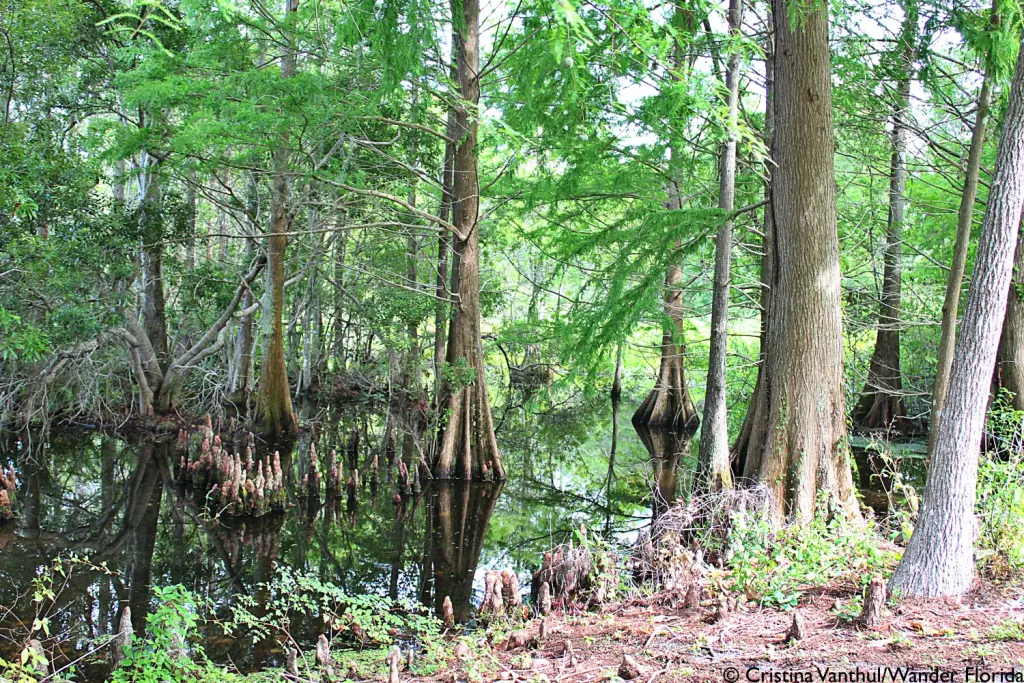
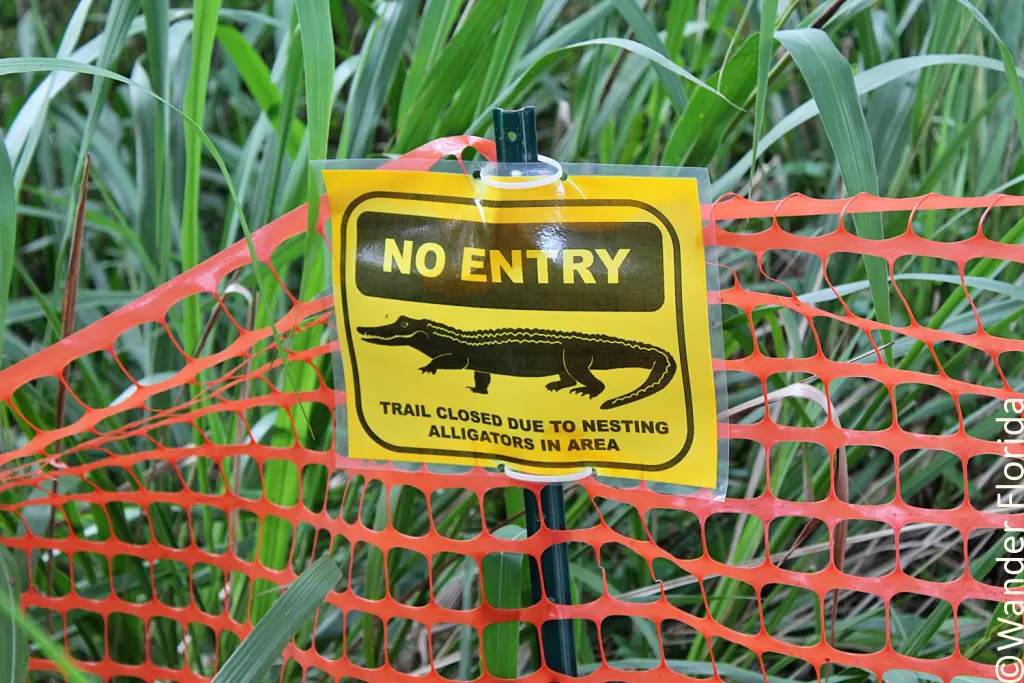
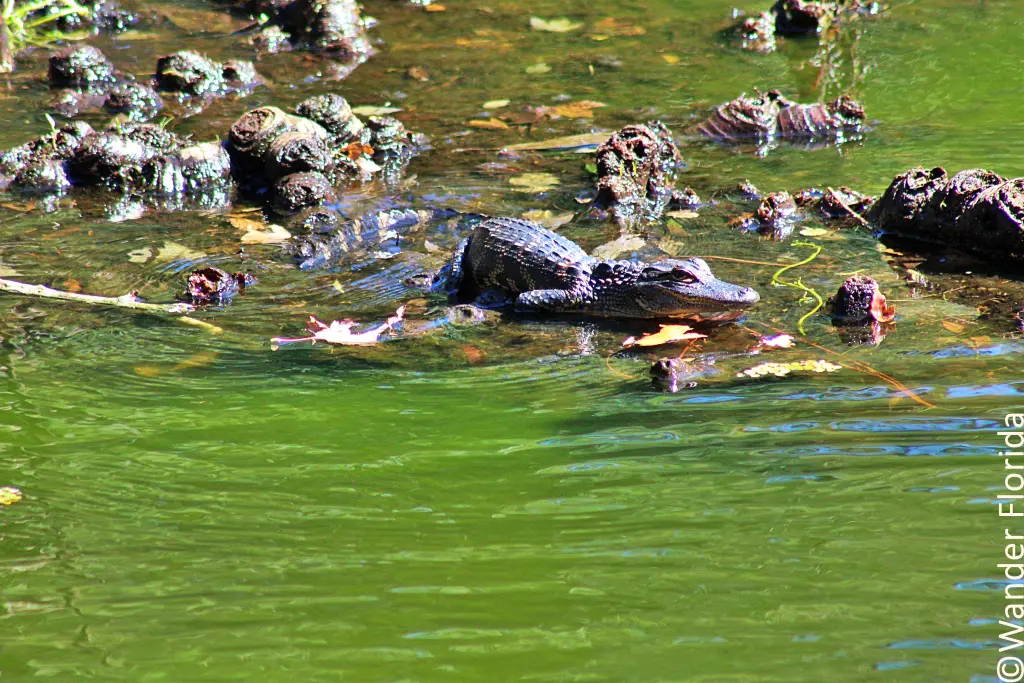
The aquatic demonstration area has an unpaved trail which leads around a lake. Native trees such as cypress as well as native wetlands plants surround the lake and provide habitat for local wildlife. An observation dock presents an opportunity to watch ducks, moor hens, dragonflies, and other wetlands wildlife.
Beside the Herb Garden, a visitor center gives the community and visitors a place to attend classes, hold pop-up shops, and learn more about gardening. The visitor center is surrounded by the Native Plant Garden, the Butterfly Garden, and a number of plants, such as Florida’s native coffee, a fig tree, carnivorous plants, orchids, and bromeliads.


Final Thoughts on Florida Botanical Gardens
For a fun family outing that won’t break the bank, the Florida Botanical Gardens delivers big. Enjoy the gardens, learn about new plants, take a class, or attend one of the many events at the Gardens. With no admission, this is a great way to spend time outdoors for a quick walk or just to relax for a few hours.
Learn more about Florida Botanical Gardens on their website or on the Florida Botanical Gardens Foundation website.
Let’s Connect!
Follow me on Facebook, YouTube, and Instagram. And if you’re looking for a great community for sharing travel tips, discounts, secret spots, and hidden gems, go join my Facebook group, Florida Travel Tips & Secret Spots.
Travel Resources:
These are the places I first go when planning or booking travel. They ARE affiliate links so if you use one I may earn a small commission (at no cost to you) and (bonus!) it’ll help me keep running this site. Visit my travel resources page to see all of the services and gear I recommend.
Flights: We always check flight prices and information on Way Away first.
Hotels: We use Expedia to compare and book hotels. We also love Booking.com for boutique hotels and B&Bs.
Vacation Rentals: For vacation rentals and other non-traditional lodging options, VRBO is our go-to.
Tours & Tickets: We use Viator for private tours and unique experiences.
Rental Cars: Though we prefer to experience a city through its public transportation, there are times when a rental car is needed and in those instances, we use Discover Cars.
Travel Insurance: No one wants to need it, but it’s great to have when you do. VisitorsCoverage is our go-to provider.

Ugh I wish I knew about this place when I visited the Keys last December! Looks awesome!
i love a good botanical garden! ill have to check this one out!
This is so informative and helpful, well done! Saving it for future trips 🙂
This botanical garden looks gorgeous. Inspires me to hop on a flight to Tampa. (New non-stops just opened from Louisville 💃) I would love to see the tropical section!!! And the succulents. Okay … all of it! Thanks for sharing.