Ethical Florida Travel – 7 Ways to be a Responsible Visitor

Florida is home to many unique environments and experiences. It’s also a place that sees a huge amount of tourism. And welcomes hundreds of thousands of new residents every year, straining natural resources, and impacting fragile ecosystems like wetlands, hydric hammocks, and sand scrubs. Visitors to the Sunshine State can help by practicing responsible and ethical travel.
Wander Florida is fully reader-supported. For that reason, this article may contain affiliate links. If you make a purchase through one of the affiliate links, I may earn a small commission at no additional cost to you. This revenue helps keep Wander Florida free and updated. I only recommend products or services that I would use myself. Read the full disclosure here.
Why traveling responsibly is important in Florida
As I write this in September 2024, I have hurricane weather coverage in the background. It’s September 26, and Hurricane Helene is making a beeline for Florida’s Big Bend area. The forecast calls for a Category 4 hurricane with storm surge of up to 20 feet. This will be the fifth hurricane and third major storm to hit Florida in four years.
Three of these storms hit the Big Bend area, a part of Florida which is (thankfully) less populated than other parts of the state. The panhandle part of the Big Bend is known as the Forgotten Coast and the peninsular part is known as the Nature Coast. And this is important because it shows us how Mother Nature designed over hundreds of thousands of years ecosystems which protect the land – wetlands, rivers and waterways, and mangroves.
Why is this important to ethical and responsible travelers and residents? These natural areas are the ones often at risk of development for more residents, hotels, and restaurants. Impacts in these areas affect water quality, marine life, wildlife, and places such as the Everglades. When we travel ethically and responsibly, we have a choice (and, some would say, a responsibility) to support towns and businesses which are local, sustainable, and help reduce your travel burden rather than add to it.
Ways to travel responsibly
There are many ways you can travel ethically and responsibly. We’ll explore the ways that are most specific to Florida though many of these ideas and principles can be utilized in other places around the world.
1. Connect with nature
Florida has really built herself a reputation for beautiful beaches, stunning coastal waters, and world-class theme parks. The reality, though, is that Florida has a beautiful and unique nature that many visitors never learn about or experience.
One way to do so is through the award-winning state parks. There are 175 state parks to choose from as well as dozens of national parks and thousands of city and county parks. Wherever you visit, look for a state park or a nature preserve to visit. Learn about the local ecosystems, wildlife, and plants. When we connect with the natural beauty of a place, we’re more apt to take care of it.
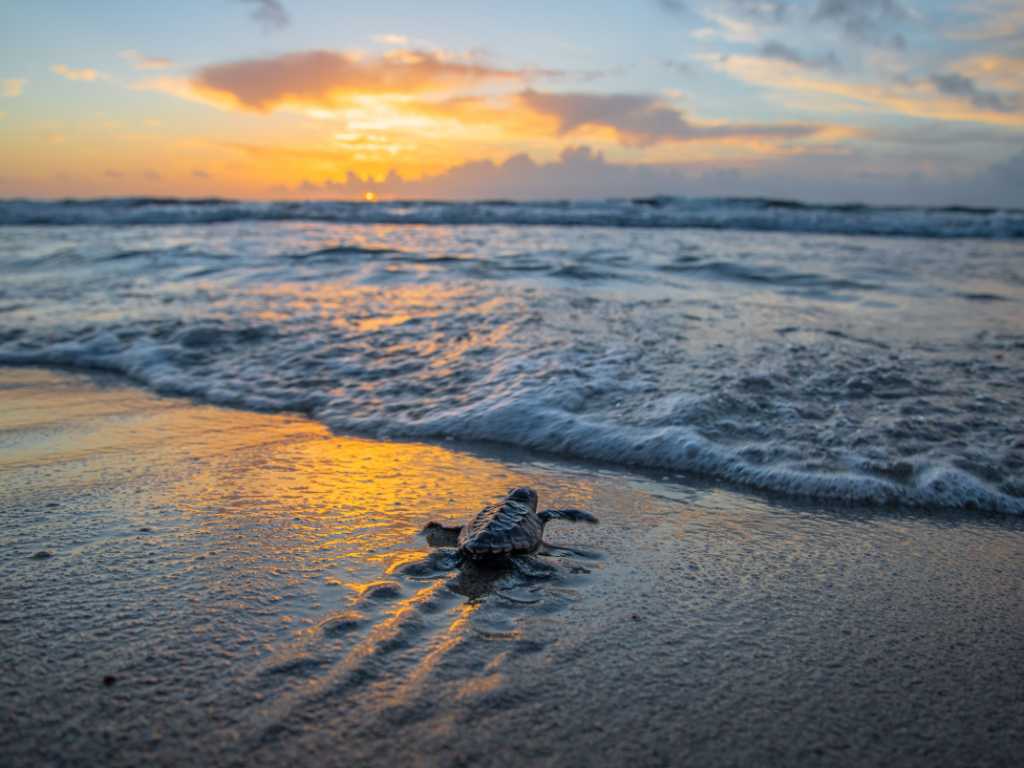
2. Protect wildlife
Florida’s wildlife is as diverse as its environment, but it’s also incredibly vulnerable to human . When you’re out exploring, be mindful of how your actions affect local animals and their habitats.
- Avoid feeding wildlife, as it disrupts natural behaviors and can lead to animals becoming too reliant on people. It’s cute to see squirrels run up to you for a peanut, but it’s not good for the squirrels.
- Keep a respectful distance, whether you’re watching dolphins in the Gulf or encountering alligators in the Everglades. Getting too close can stress animals and put you at risk, too.
- Watch for manatees and other marine life, when you’re kayaking, paddleboarding, or boating. These animals can be injured by propellers.
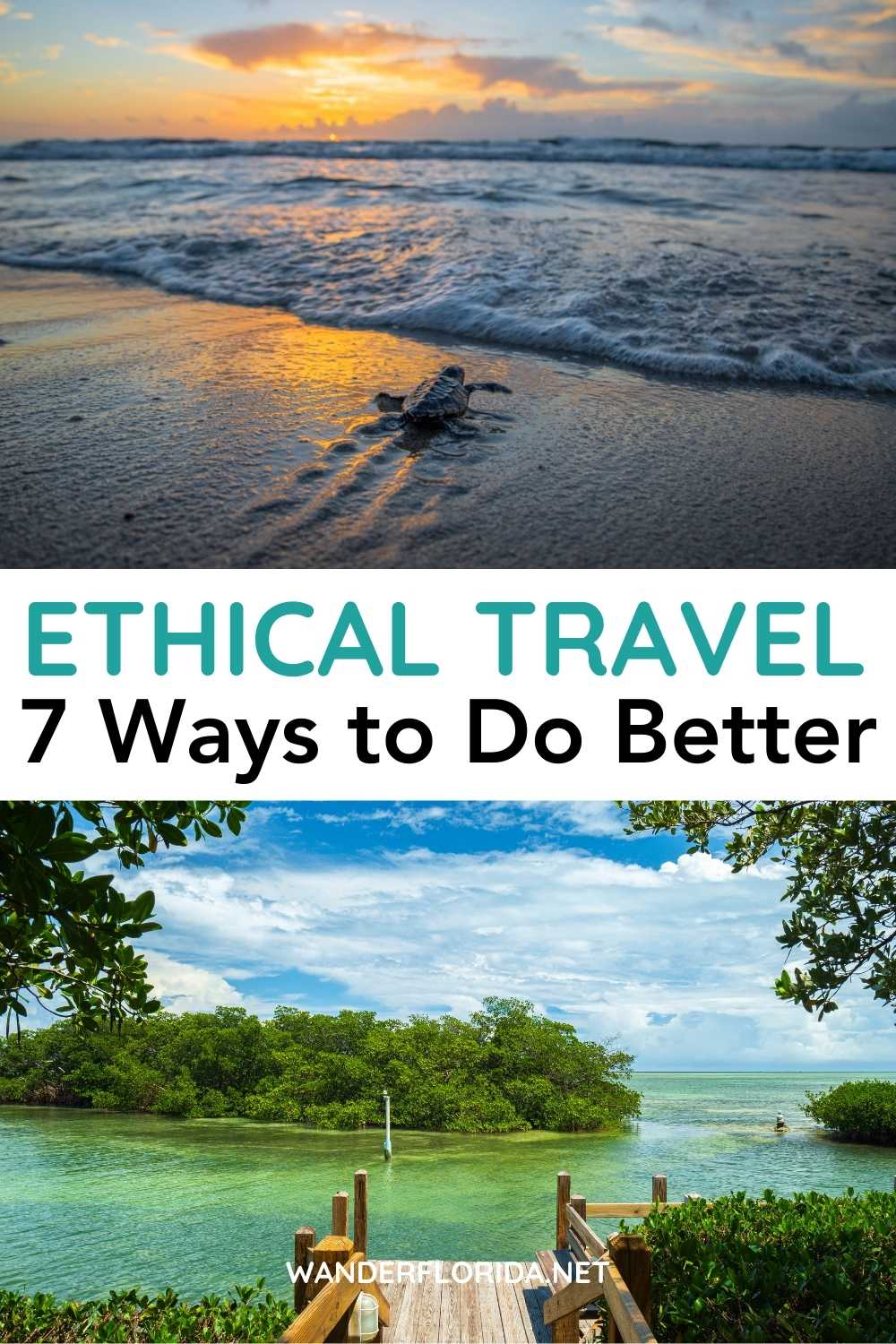
- Keep noise and lights to a minimum near nesting sea turtles or bird rookeries.
Enjoying Florida’s wildlife responsibly means future generations will have the chance to experience it, too.
3. Practice “leave no trace” principles
Florida’s landscapes are beautiful but delicate. The “Leave No Trace” principles are a simple guide for anyone who wants to help keep it that way. Start with the basics:
- pack out what you bring in
- stay on marked trails
- leave natural areas the way you found them
For beach lovers, this means not just packing out trash but also filling in sand holes and refraining from handling sea creatures. Wildlife encounters are great, but respect their space—no feeding or touching, especially with species like manatees and sea turtles. Small actions add up, and a little effort on your part goes a long way in preserving Florida’s wild side.
4. Give back through volunteering
If you want to add something meaningful to your trip, consider volunteering while you’re here. Florida’s coastal areas, wildlife centers, and parks regularly welcome visitors who can help with everything from beach cleanups to habitat restoration.
Check out local conservation organizations, many of which organize day-long efforts perfect for travelers. These organizations offer ways to support conservation, and a few hours spent helping out can deepen your experience of Florida beyond typical sightseeing. Some of my favorite organizations are:
- Florida’s Coral Reef
- Florida Wildlife Federation
- Conservation Florida
- Florida Keys National Marine Sanctuary
Many organizations will require volunteers are vetted and pass a background check. If this is something you want to add to your time in Florida, reach out to your preferred organizations and get the ball rolling so that you can volunteer when you arrive.
5. Support local businesses
Supporting local businesses isn’t just about buying a T-shirt from a gift shop; it’s about keeping Florida’s unique flavors, crafts, and community-focused businesses alive. Instead of chains, seek out the local diners, family-owned shops, and markets.
Small businesses often have strong ties to the community and give travelers a taste of the real Florida. Go for the locally brewed beers, check out art galleries with pieces by regional artists, and buy that handmade souvenir. You’ll go home with something authentic while supporting local livelihoods.
6. Donate to local organizations
If volunteering isn’t an option, consider donating to organizations that are making a difference here. Many Florida-based nonprofits work to protect natural habitats, endangered species, and communities impacted by environmental challenges. Look up groups that are focused on causes close to your heart, whether it’s the Everglades, coral reefs, or coastal preservation. Even small contributions can help fund ongoing projects to protect what makes Florida unique.
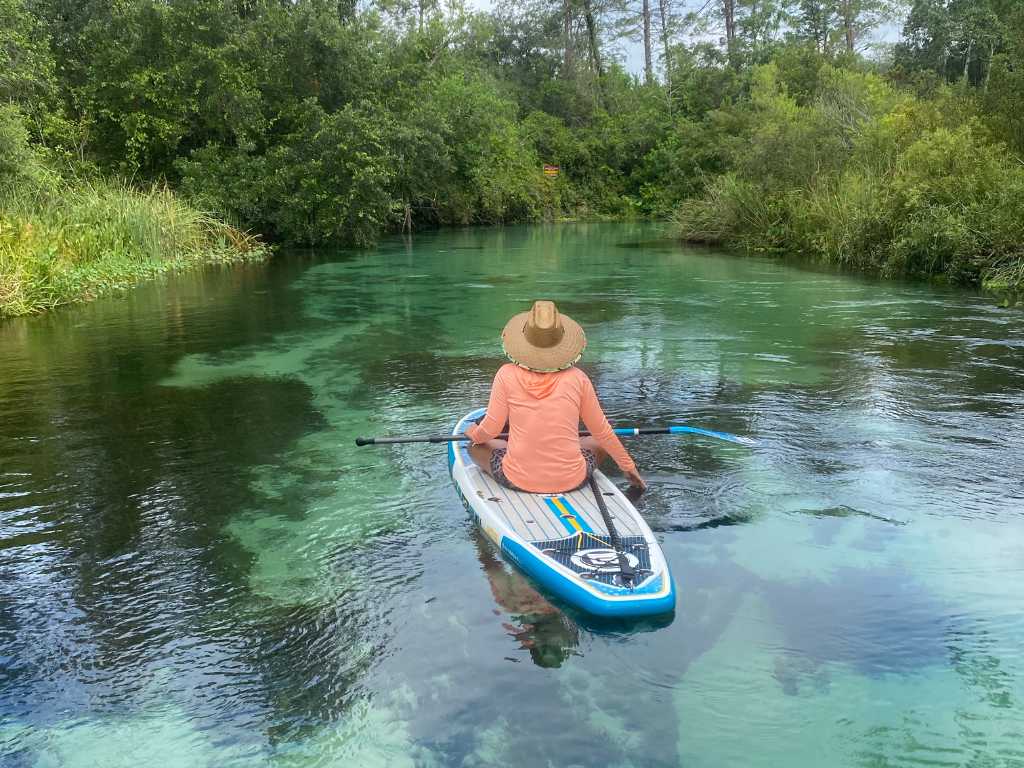
7. Find yourself in the “real” Florida
Beyond the theme parks and major attractions, there’s a side of Florida that feels worlds away from the crowds. Take time to explore state parks, historic towns, and natural springs that capture the quieter, more authentic essence of Florida. Places like Cedar Key, Apalachicola, and the springs around Ocala offer a chance to slow down, talk to locals, and really connect with the place. This is where you’ll find the “real” Florida—laid-back, rich with stories, and unpolished in the best way.
Final Thoughts on Ethical Florida Travel
Traveling ethically provides us with an opportunity to really immerse ourselves in a place and make a positive impact with our travels. While many love the franchises and chain businesses, supporting local, donating local, and practicing ethical travel will leave you with a sense of satisfaction and fulfillment you might not find at the local Applebee’s or Hilton Hotel (not that I mind either, of course).
With these 7 ethical travel tips in mind, you can help conserve Florida wildlife and environments, support local artisans and businesses, and take home memories few others will share. It’s the perfect way to vacation for anyone who believes in sustainable travel and unique experiences.
Let’s Connect!
Follow me on Facebook, YouTube, and Instagram. And if you’re looking for a great community for sharing travel tips, discounts, secret spots, and hidden gems, go join my Facebook group, Florida Travel Tips & Secret Spots.