
A Brief History of St. Augustine

St. Augustine, Florida, founded in 1565, is the oldest continuously inhabited European-established settlement in the United States. With its Spanish colonial architecture, cobblestone streets, and rich blend of cultures, the city offers a deep connection to America’s earliest days. Its strategic location made it a pivotal point of defense and trade, shaping the course of American history.
In the following paragraphs, I’ll briefly explore St. Augustine’s long history. The city has such a rich history, though, that it is best learned about with a visit to the town and its museums.
Wander Florida is fully reader-supported. For that reason, this article may contain affiliate links. If you make a purchase through one of the affiliate links, I may earn a small commission at no additional cost to you. This revenue helps keep Wander Florida free and updated. I only recommend products or services that I would use myself. Read the full disclosure here.
The explorer’s ships sighted land on August 28, 1565, a date the explorer took as a good sign. It was the feast day for the patron Saint of his village, Aviles, in Spain. That night, he and his men feasted to celebrate the end of their long voyage and San Agustin’s feast day. He decided he would name the new settlement in honor of San Agustin, and this became St. Augustine’s first European name.
A week later on September 6, the ships entered Matanzas Bay, sailing by what would become Anastasia Island State Park. White sand beaches lined the barrier islands on both sides of the inlet, swampy wetlands behind the beach on the inner side of the islands.
Pedro Menendez, the explorer, and his ships sailed on, past a peninsula heavily wooded with sable palms, scrub oaks, pine trees, saw palmettos, and sea grapes, and into a wide river that flowed off into the distance both north and south.
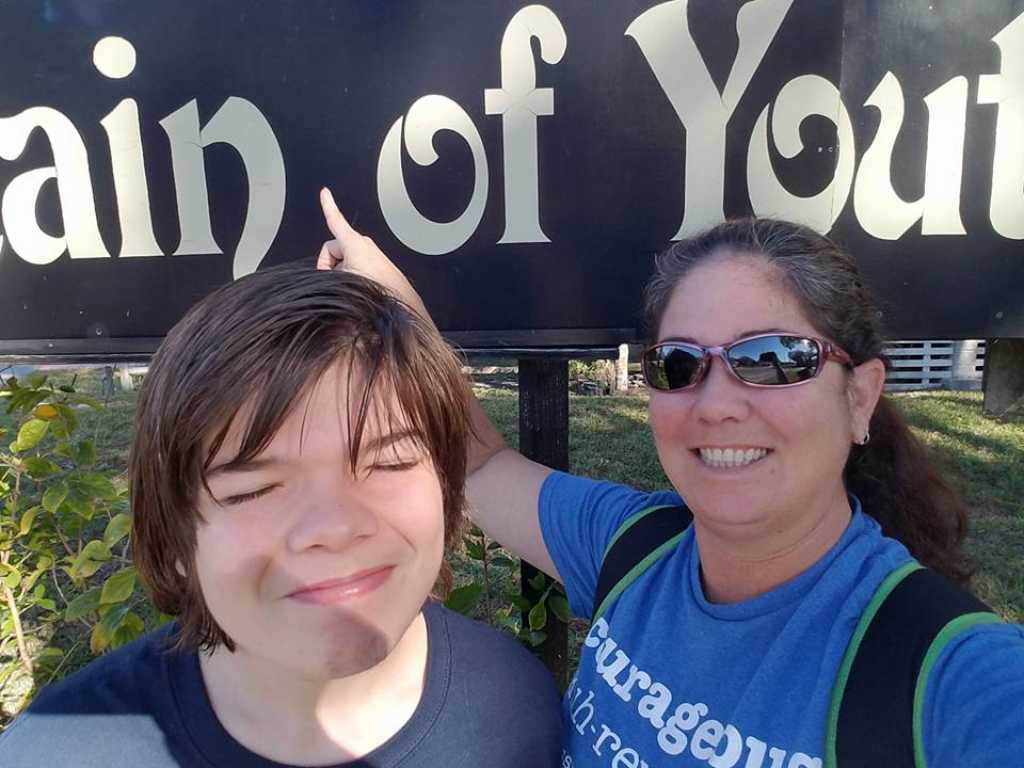
When the ships reached the main land, men disembarked in longboats and continued up a branch of the river near a Timucuan Indian settlement. Here, on a site known today as Fountain of Youth Archaeological Park, Menendez and his men built fortifications and unloaded their supplies.
The native populations, though somewhat friendly with the French, were openly hostile to the Spanish settlers and explorers. They had learned with Ponce de Leon’s arrival in 1513, and others after him, that these light-skinned men in funny clothing brought with them frightening weapons and left behind a deathly trail of sickness. The natives tried to drive them out whenever possible and burned San Agustin to the ground in 1566.

Skirmishes continued between the Spanish in Florida and the British in the Carolinas and Georgia. By the 1700s, the Spanish had formed a solid alliance with the Seminole Indians. The Spanish also encouraged fugitive slaves to escape to Florida. In exchange for converting to Catholicism and swearing allegiance to the Spanish King, the Spanish Crown granted them freedom, arms, and supplies. The first legally recognized community of ex-slaves was founded in 1738 as a military outpost two miles north of St. Augustine. The community became known as Fort Mose.
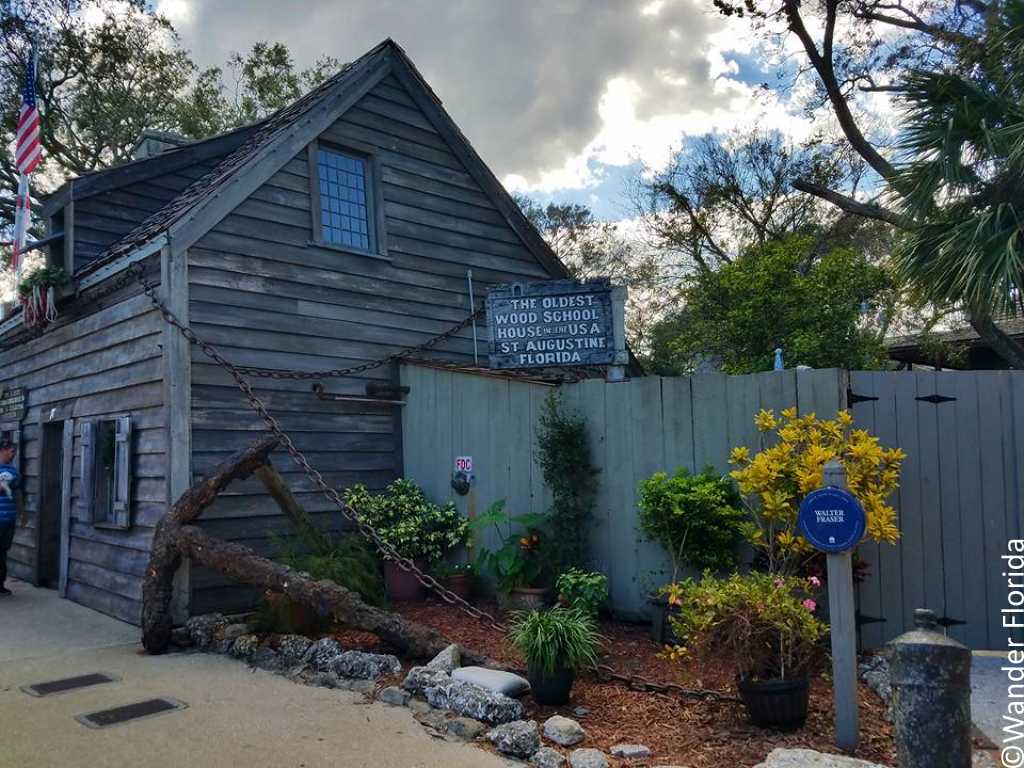
In 1763, as part of the Treaty of Paris, Florida came under British rule. During the British period, most of the Spanish and freedmen fled to Cuba. The British began a time of expansion. Monks’ quarters in St Augustine were converted to barracks. The Kings Bakery was built.
Other nearby settlements, such as New Smyrna, were founded. The settlers of New Smyrna became integral to St Augustine’s identity. Originally brought from Minorca in the Mediterranean, they fled New Smyrna for St Augustine due to the hard conditions. The Minorcans stayed after St Augustine changed flags back to the Spanish and left their Mark with their language, culture, and customs.
The second Spanish period, established by the 1783 Treaty of Paris, proved a time of virtually zero settlement or even maintenance in Florida and St. Augustine. Spain ceded Florida to the US in 1821. At that time only three men remained at the fort, and it’s condition was in heavy decay.
Castillo de San Marcos, under US rule, became known as Fort Marion. The fort was used mostly as a prison, first for Seminole captives during the Second Seminole War, then again for Plains Indians and Apaches in the 1870s and 1880s. The fort was captured and held by the union during the Civil War.
In the 1900s, St. Augustine played a pivotal role in history, first as a winter retreat where Henry Flagler developed hotels and built baseball teams, and later as the site of numerous clashes between African Americans and the KKK during the Civil Rights Movement.
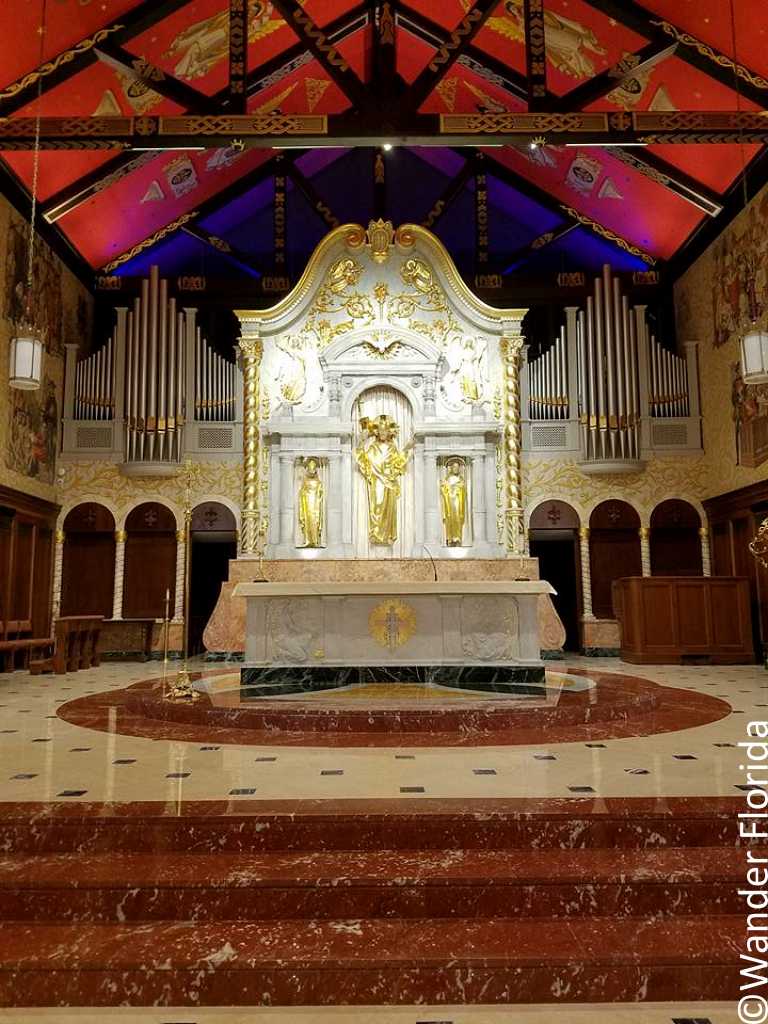
Over the past 40 years, St. Augustine has renovated many of its historic sites and has become one of the most popular tourist destinations in Florida. Besides Castillo de San Marcos and historic downtown, particularly George Street, visitors can see the Fountain of Youth Archaeological Park, St. Augustine Lighthouse, the Cathedral Basilica of St. Augustine, the Bridge of Lions, Old Jail, Mission of Nombre de Dios, the Pirate Museum, Flagler College, and many more historic sites.

If you visit St. Augustine, it isn’t necessary to stay in the city center though there are lovely hotels there. Most lodging, however, can be found within 1 mile of the historic downtown region. It’s an easy and safe walk. We walked most of the time we were there and never felt in danger, even at night. Also, consider staying at least four days. We stayed three days and it wasn’t enough time to see all the attractions.
Wrapping It Up: History of St. Augustine
From its establishment by Spanish explorers to its role in shaping the nation, St. Augustine is more than a historical landmark—it’s a living testament to the endurance of culture, architecture, and community. Walking through its streets today offers a unique glimpse into a bygone era that continues to influence modern Florida.
Let’s Connect!
Follow me on Facebook, YouTube, and Instagram. And if you’re looking for a great community for sharing travel tips, discounts, secret spots, and hidden gems, go join my Facebook group, Florida Travel Tips & Secret Spots.
Travel Resources:
These are the places I first go when planning or booking travel. They ARE affiliate links so if you use one I may earn a small commission (at no cost to you) and (bonus!) it’ll help me keep running this site. Visit my travel resources page to see all of the services and gear I recommend.
Flights: We always check flight prices and information on Way Away first.
Hotels: We use Expedia to compare and book hotels. We also love Booking.com for boutique hotels and B&Bs.
Vacation Rentals: For vacation rentals and other non-traditional lodging options, VRBO is our go-to.
Tours & Tickets: We use Viator for private tours and unique experiences.
Rental Cars: Though we prefer to experience a city through its public transportation, there are times when a rental car is needed and in those instances, we use Discover Cars.
Travel Insurance: No one wants to need it, but it’s great to have when you do. VisitorsCoverage is our go-to provider.



St Augustine sounds like a great place to
visit. I love your pictures, it make me really
want to visit this beautiful place.
Thank you, Lavanda. So glad you enjoyed!
I’ve always wanted to see a
lighthouse in real life. I need to
make a trip to St. Augustine soon.
I love lighthouses, too! The Florida lighthouse trail is on my bucket list (7 Trips on my Florida Travel Bucket List).
Interesting! This was a great post…I love learning more about history…especially the history of beautiful places. The old
schoolhouse is the cutest, I would love to visit that place.
There are so many great places in St. Augustine. Definitely worth a visit.
I enjoyed this history lesson and learning more about such a beautiful place. I will definitely add St. Augustine to my list of must see places!!! The
Cathedral Basilica looks beautiful; so ornate!
The Cathedral is stunning and right in the heart of everything.
Sounds like a place with interesting history. I have friends that live nearby and visit all the time.
That kind of history is always interesting to learn. I’d love to visit St. Augustine. It’s really not that far away from me.
You should! Makes for a great short vacation.
That kind of history is always interesting to learn. I’d love to visit St. Augustine. It’s really not that far away from me.
Very intersting facts! It’s funny how
receptive I am as an adult. My mom has
visited the area and enjoyed herself. I wi
have to put this on my list of places to visit
when I’m down there.
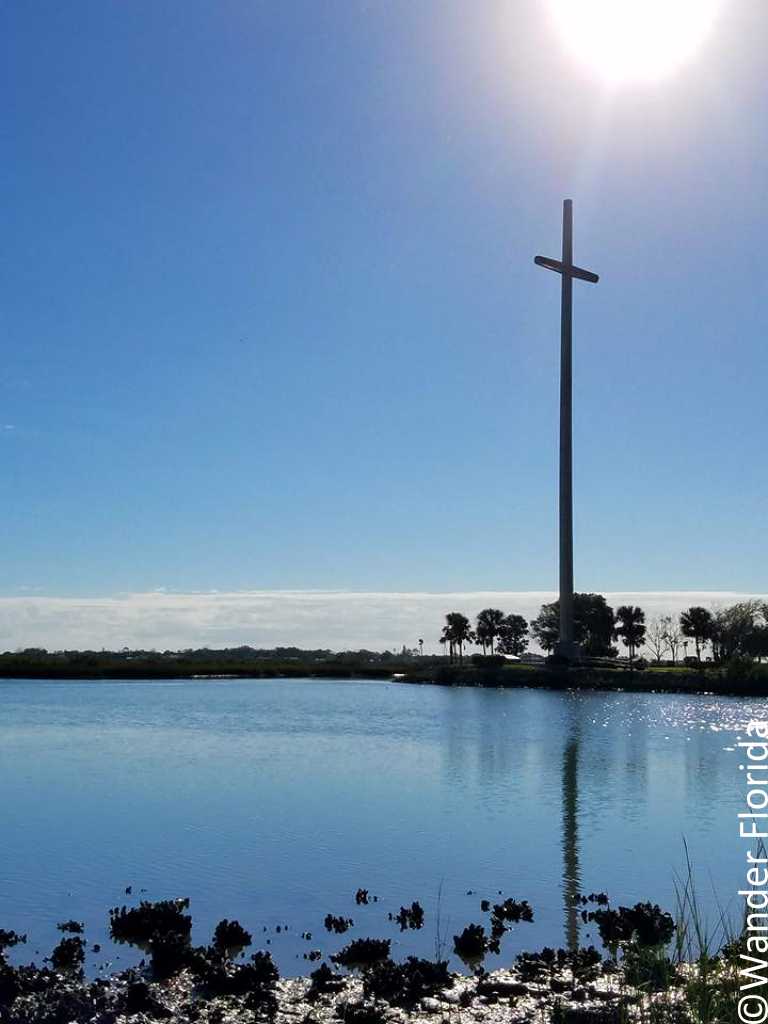
I love how ST Augustine houses the worlds largest cross at 208 ft, for those who are religious I can imagine that it must feel like such an amazing
spiritual experience. I have to confess despite being a Brit, I had no idea that at one point Florida was under British rule, who knew?!
That’s pretty neat, isn’t it? I’m not super religious, but it’s an awesome site.
This was such an interesting read. I’ve never been here before, but I hope to go soon. It looks like such a pretty area.
Hope you can make it soon, too, Amber! Thanks for reading and leaving a comment.
I’ve never been to St. Augustine before, but it sounds like a great place to visit!
It’s a lot of fun, Jay. Lots of things to do, not just history-type stuff.
This was really nice, you have taught me so much since me and history are not really best friends but that doesn’t mean I don’t love to learn something
new anytime and this was really nice to know.
Thanks, Joan. Glad you enjoyed. Happy 2018!
I didn’t know anything about this aspect of history so this was a really interested read for me! I always love discovering more about the past.
Thanks for the read! Glad you enjoyed it. I love the history of places, especially since we don’t have a ton really old places in the US.
Thanks for reading, corinne & kirsty!
Not sure why but of late I have getting into
history more and this was a great read, I
would love to explore St. Augustine one day
Thanks for reading, Anosa! Not only is St. Augustine filled with history, it’s a gorgeous place to visit as well. So much to do! Hope you get to see it
soon.